
Your Guide to Residential Irrigation Systems, Drainage, and Landscape Lighting
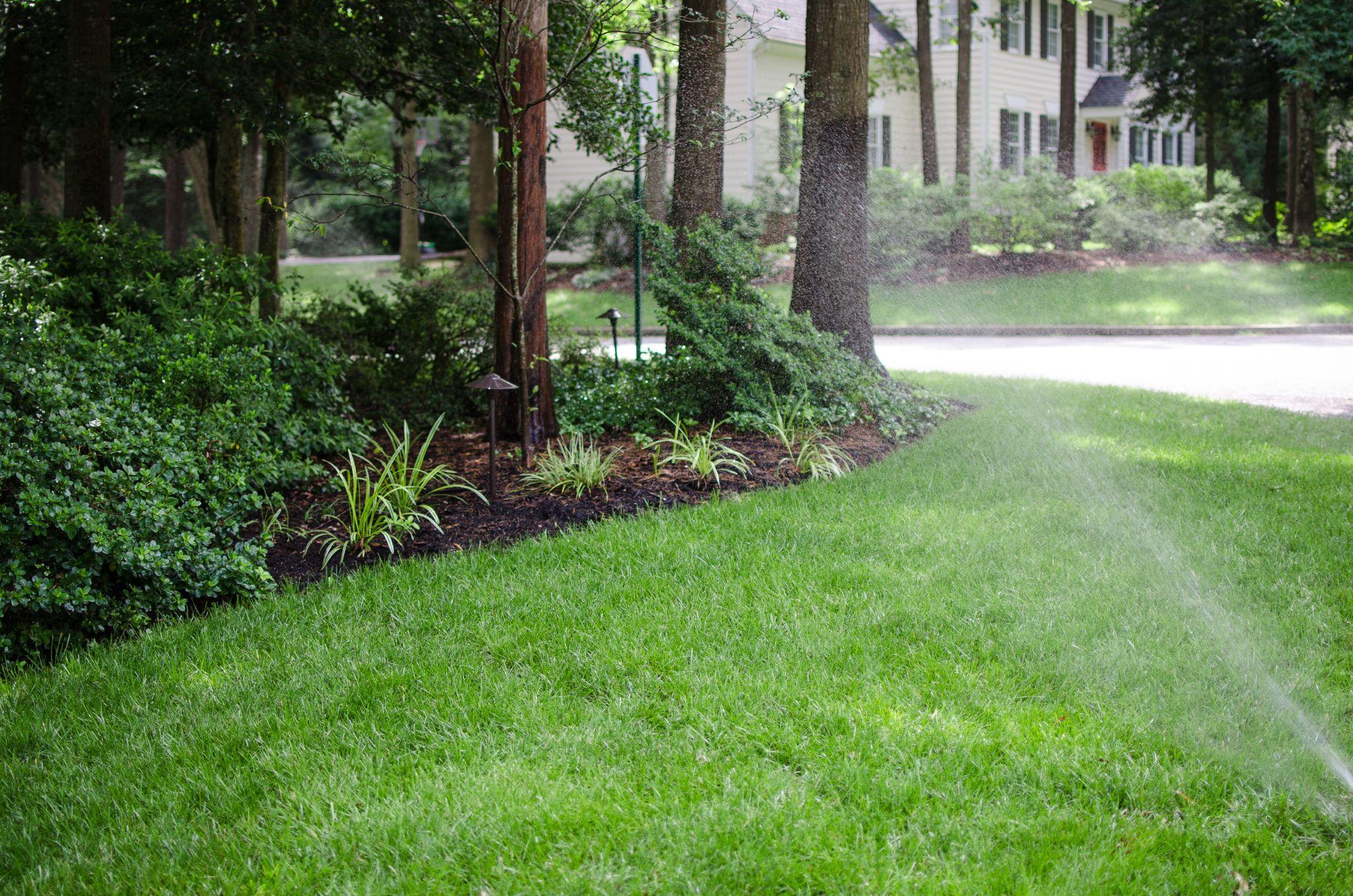
Are you tired of dragging heavy hoses around your yard and still finding dry patches or muddy puddles? For many homeowners, maintaining a healthy yard can feel like an endless battle. You might water the grass regularly, yet some areas still turn brown while others become oversaturated. Without a proper system in place, water often runs off or pools up in low spots. This can damage your plants, create messy lawn drainage problems, and even threaten your home’s foundation over time.
It’s not just the watering that’s challenging. When evening falls, an unlit yard can make your property less welcoming and even unsafe. Poor visibility might cause trips or falls, and a dark landscape may attract unwelcome intruders.
Fortunately, there’s a smarter way to care for your landscape. Modern residential irrigation systems eliminate the guesswork of watering by delivering the exact amount of water where it’s needed. Pair that with effective yard drainage solutions to direct excess water away, and your lawn stays healthy without any swampy spots. To top it off, professional landscape lighting can make your outdoor space safe and stunning even after sunset.
This guide will show you how all these pieces work together so you can enjoy a beautiful, worry-free yard.
What Are Residential Irrigation Systems and How Do They Work?
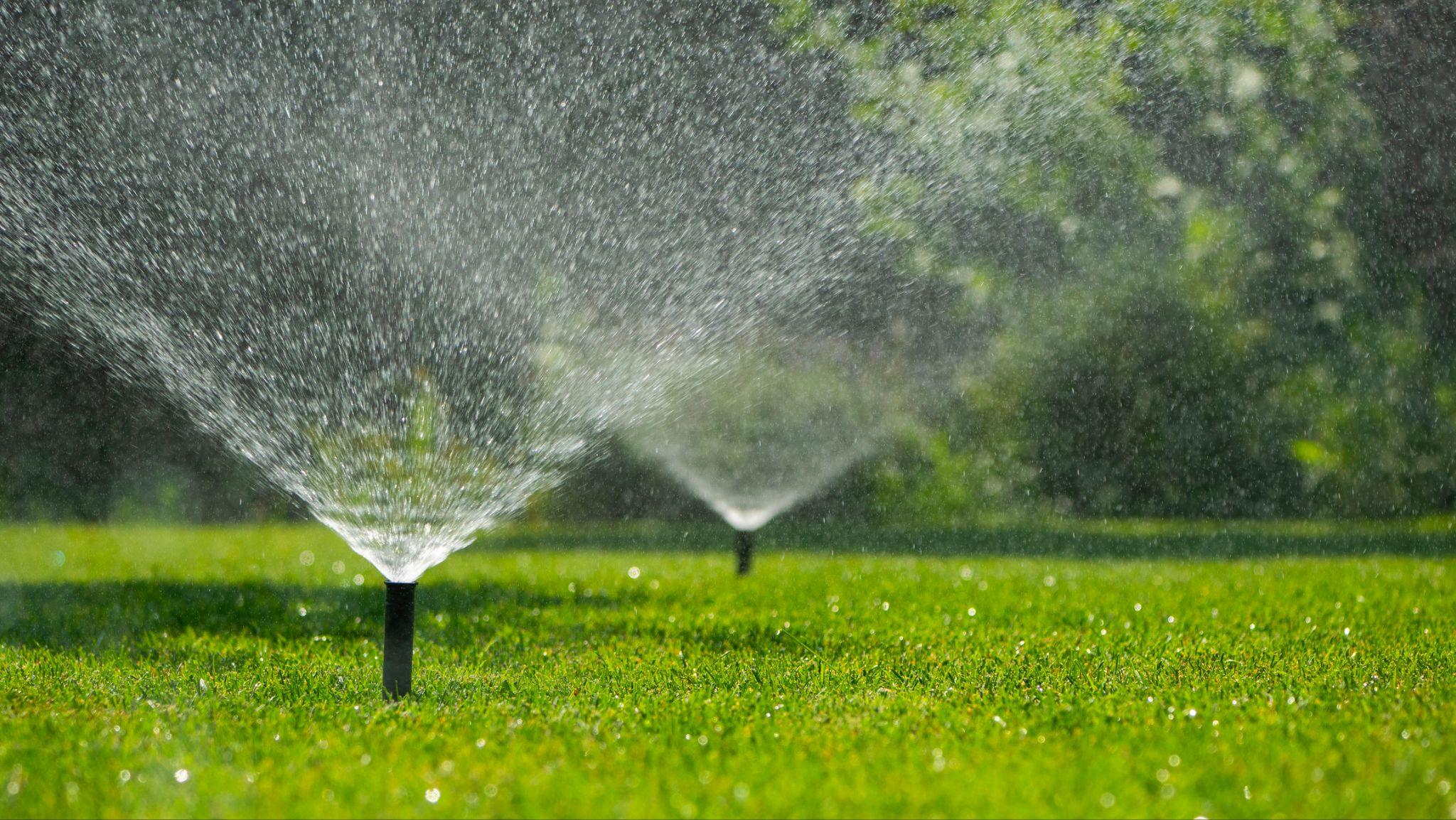
Residential irrigation systems are automatic watering networks designed for homes. In other words, this is a type of landscape irrigation specifically designed for residential yards. Instead of dragging a hose around, you have an in-ground system that delivers water across your lawn and garden on a schedule. These residential irrigation systems are typically buried underground, with sprinkler heads that pop up to water and then retract out of sight. A typical setup divides your yard into zones, allowing each area (such as the front lawn, flowerbeds, or side yard) to receive the appropriate attention. There are various types of irrigation systems available, ranging from in-ground sprinklers to drip irrigation lines, which will be explained later in this guide.
To understand how residential irrigation systems function, it is helpful to know their key components. An automatic sprinkler system isn’t one single gadget, but a collection of parts working together:
- Controller (timer): This is the brain of the system. You program the controller with watering schedules and durations. At the set times, it sends an electronic signal to start watering a zone.
- Pipes and Valves: These act as the veins of the network. Durable underground pipes carry water from your water source to different areas of the yard. Electric valves (one for each zone) open and close in response to the controller’s signal, allowing water to flow into that zone.
- Sprinkler Heads or Drip Emitters: These are the end distributors of water. Sprinkler heads pop up above the soil and spray water over a broad area like your lawn, mimicking rainfall. Drip emitters, on the other hand, release water slowly at the base of plants, which is great for gardens and shrubs.
- Sensors (optional): Many residential irrigation systems include rain sensors or soil moisture sensors. These devices can tell when the ground is already wet from rain, so the system can skip a scheduled watering and avoid overwatering your yard.
Here’s how it all works together: at the programmed time (often in the early morning hours), the controller activates the first zone’s valve. Water pressure pushes water through the pipes to that zone’s sprinkler heads, which pop up and start watering that section of your landscape. After the set time, that zone shuts off and the next zone’s valve opens. This cycle continues until all parts of your yard receive the right amount of water. Thanks to residential irrigation systems running on autopilot, your lawn and plants get consistent care even when you’re not around or busy with other things.
What Are the Benefits of an Automatic Irrigation System?
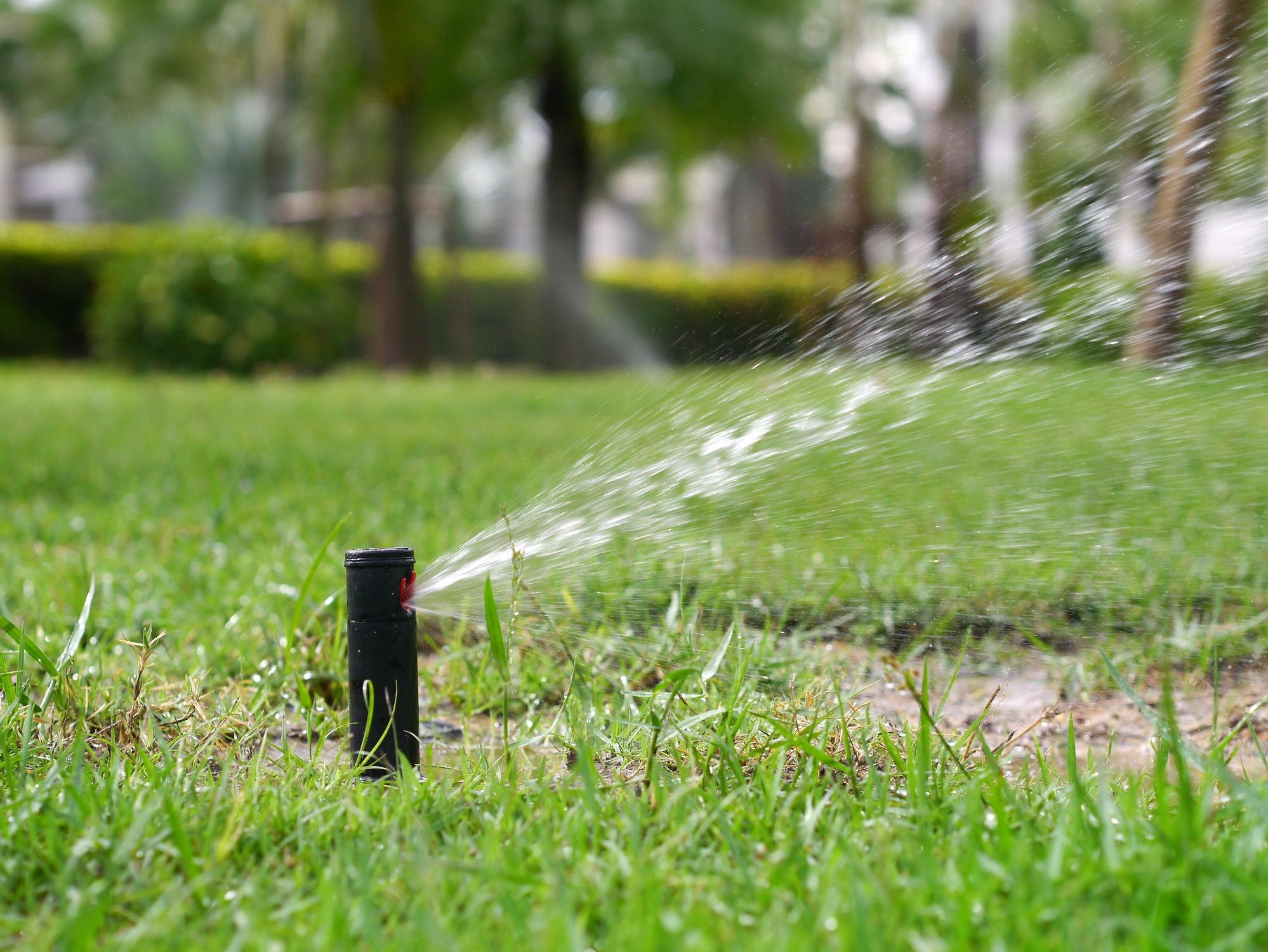
Installing a residential irrigation system that runs on autopilot comes with significant advantages for you and your landscape. Here are some of the key benefits of having an automatic sprinkler system take care of your watering needs:
Saves You Time and Effort
You no longer have to spend your mornings or evenings moving sprinklers and hoses around. A programmed system waters the lawn for you, so you can focus on other things. Whether you’re at work or on vacation, your residential irrigation system continues working reliably in the background. This convenience gives you peace of mind, because even if life gets busy or you’re out of town, you know your yard is being cared for consistently.
Consistent, Healthy Watering
An automatic system provides a steady watering schedule. Plants thrive on regular, even watering. With a well-designed system, each zone gets the right amount of water for its specific needs. This consistency means no more patchy dry spots or wilted flowers due to forgetting to water. Your grass and garden stay lush and healthy because they’re getting exactly what they require.
Water Efficiency and Conservation
Modern residential irrigation systems are highly efficient in terms of water usage. They can be set to water during the early morning when evaporation is low, so more water actually soaks into your soil. Many systems also feature rain sensors that prevent watering when nature has already done the job. By delivering water directly where and when it’s needed, an automatic sprinkler system avoids runoff and overwatering. This keeps your yard from getting waterlogged and also helps conserve a valuable resource.
In short, an automatic residential irrigation system means you get a healthier, greener landscape with a lot less hassle. By saving you time, reducing water waste, and keeping your lawn in top shape, residential irrigation systems truly make yard care much easier and more effective.
Which Types of Irrigation Systems Are Best for Your Landscape?
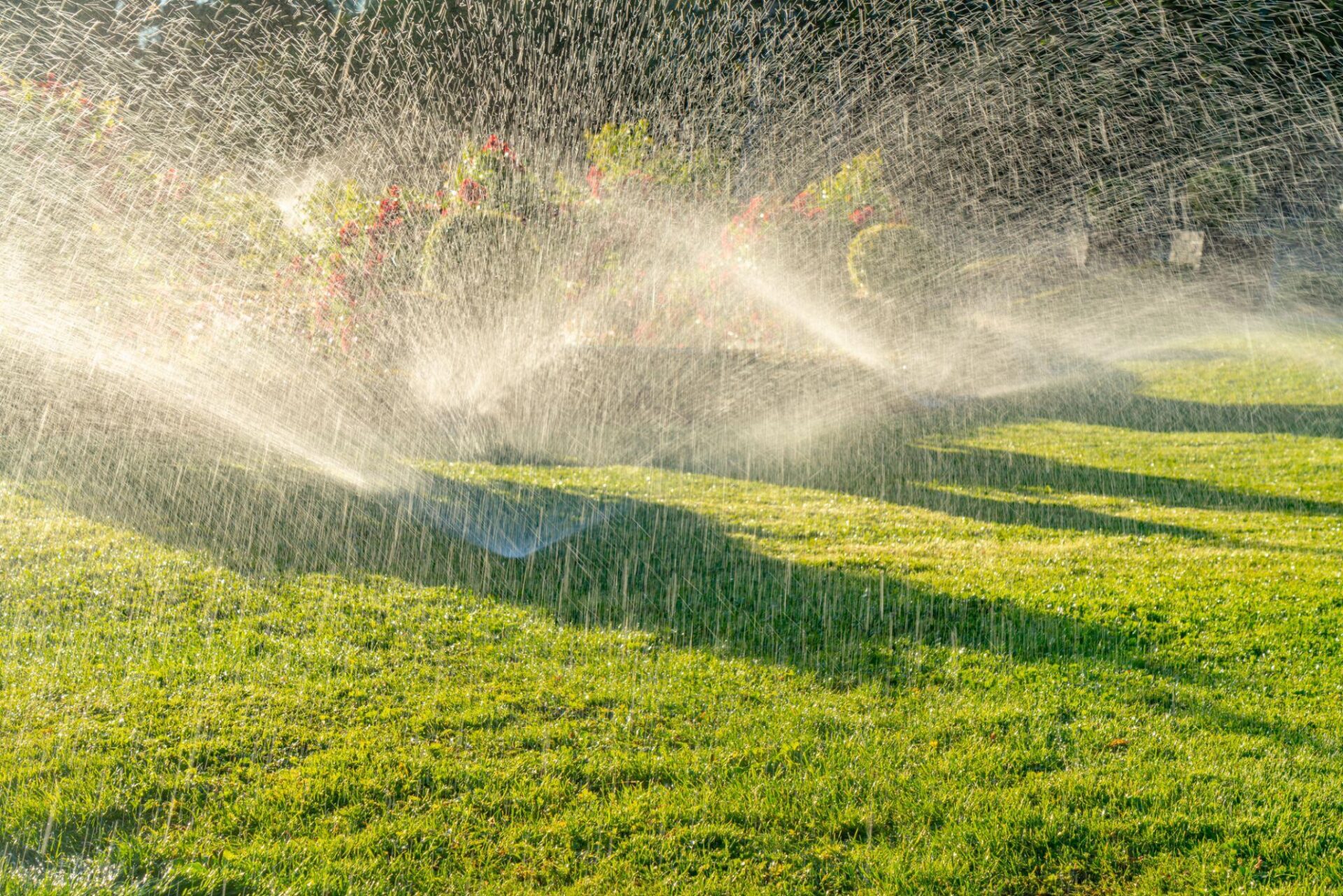
Residential irrigation isn’t one-size-fits-all. There are various types of irrigation systems to choose from, and each is best suited for specific situations. The two most common options for home landscapes are sprinkler irrigation and drip irrigation. Often, a well-designed residential irrigation system will actually use a combination of both to suit various parts of your yard.
Sprinkler Irrigation Systems
Sprinkler irrigation systems are the traditional style many people picture when thinking of lawn watering. These residential irrigation systems utilize pop-up sprinkler heads that spray water over a wide area, mimicking the pattern of rainfall. Sprinklers are excellent for covering large, grassy areas, such as lawns. They can be adjusted to different spray patterns and distances to ensure even coverage across your yard. Because the water is sprayed through the air, some of it can evaporate or blow away in the wind. However, sprinkler systems remain a fundamental part of landscape irrigation for most lawns due to their ability to water turf effectively.
Drip Irrigation Systems
Drip irrigation systems deliver water in a very different way. Instead of spraying water into the air, drip systems release water slowly and directly at the base of plants. A drip irrigation system utilizes flexible tubing with small emitters or holes that allow water to seep out gradually. This method is incredibly efficient for gardens, flower beds, hedges, and trees. Little water is lost to evaporation because it’s applied right at the soil level. Drip irrigation is ideal for areas of your landscape that have plants with deeper roots or that require precise watering. It’s a water-saving champion, but it doesn’t work as well for large lawns (since laying drip lines across a big grass area isn’t practical). That’s why many residential irrigation systems combine drip lines for garden beds with sprinkler heads for the lawn.
Irrigation System Design and Zoning
Choosing the right types of irrigation systems is only part of the equation — design and zoning are equally important. Proper irrigation system design involves planning the placement of each sprinkler head or drip line, dividing the zones, and determining the water requirements for each zone. A well-designed system takes into account the layout of your property, the types of plants in each area, sun exposure, and even the terrain (such as slopes or low spots). For example, your front lawn might be one zone with sprinklers, while a shaded garden bed is another zone with drip irrigation that runs for a shorter period. Separating zones like this allows every part of your yard to receive the appropriate amount of water without overwatering other areas.
Good design also prevents common issues, such as overshooting water onto driveways or having certain spots receive too much or too little water. This level of planning is where working with an expert pays off. Miller Irrigation, for instance, is known for precision in irrigation design and zoning. The team carefully maps out systems so that your lawn thrives while minimizing water waste. By tailoring the layout to your landscape, professionals ensure that residential irrigation systems work efficiently and keep every corner of your yard properly hydrated.
Why Is Proper Yard Drainage So Important?
Water is essential for a healthy lawn and garden, but when too much water accumulates, it becomes a significant problem. Proper yard drainage is important because it prevents the various issues that standing water and poor runoff can cause. If water is left to pool in your yard after rain or irrigation, it can drown your grass and other plants. Grass roots need oxygen, and they can literally suffocate or rot in overly soggy soil. You might start to see yellow or dying patches in your lawn not from lack of water, but from too much water that never drains away.
Beyond the grass, poor drainage can harm your property in other ways. Pooled water can erode soil from your garden beds or create sunken, swampy spots in the yard. This makes your yard look messy, and it can also be a safety hazard (nobody wants to accidentally step into a hidden mud patch). Insects like mosquitoes breed in standing water, meaning those puddles could lead to more bugs pestering you and your family. Even worse, water that constantly collects near your house’s foundation can seep down and cause cracks or leaks over time. A wet basement or damaged foundation is an expensive nightmare for any homeowner.
Good yard drainage is all about directing water away from where it shouldn’t be. When your residential irrigation system runs, you want the water to soak into the lawn and nourish the plants, not linger on the surface indefinitely. The same goes for rain: heavy rainfall should flow off or be channeled away properly. By ensuring proper lawn drainage, you protect the investment you’ve made in your landscaping and avoid unnecessary headaches down the line. If you notice water pooling or suspect drainage issues on your property, it’s a sign that you may need to investigate yard drainage solutions before the problems worsen.
What Are Some Effective Yard Drainage Solutions?
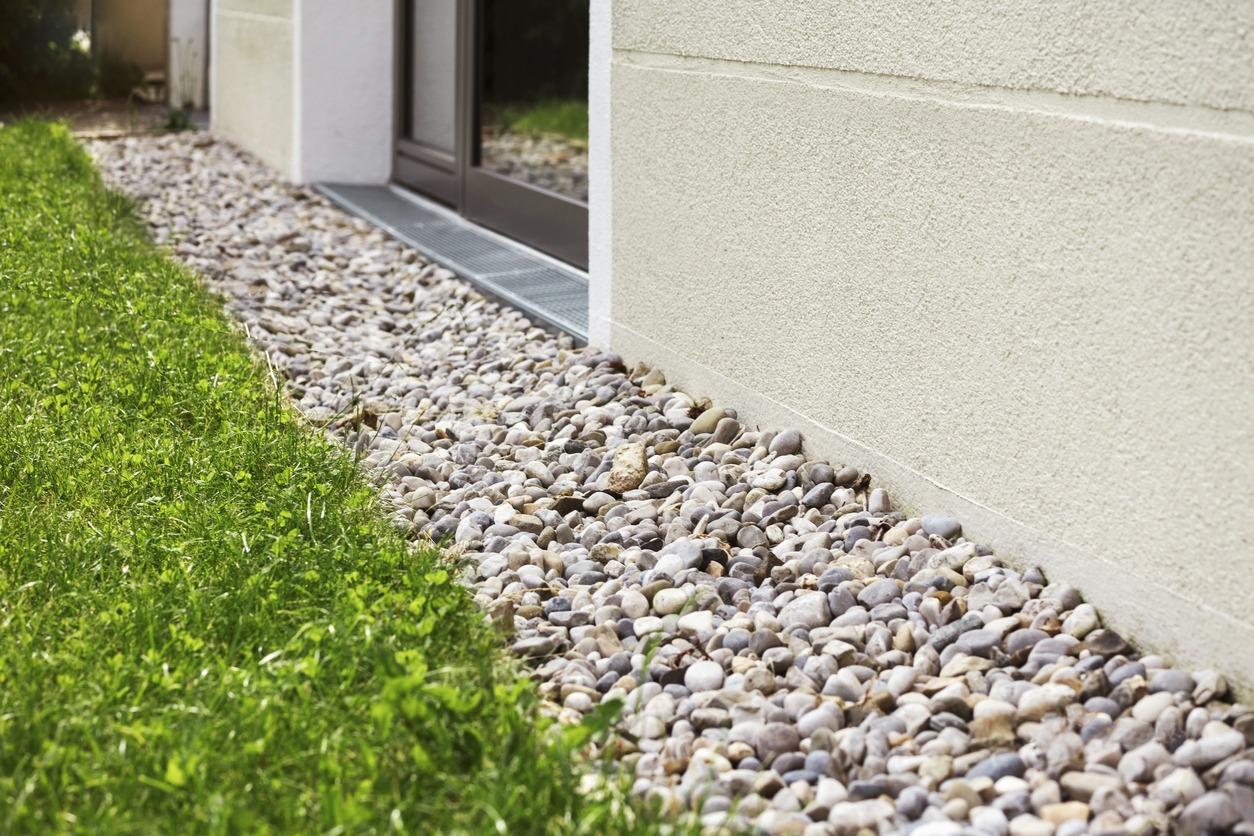
The good news is that drainage issues can be resolved with the right approach. There are several yard drainage solutions homeowners can use to fix soggy yards, improve lawn drainage, and keep water under control. How do you know if you need one? If you consistently see things like standing puddles long after it rains, water streaming across your lawn, or parts of the yard that stay squishy days later, it’s a clear sign of poor drainage. In these cases, it’s worth exploring a solution. Here are some effective methods to improve drainage in your yard:
- Regrading the Lawn: Sometimes the simplest fix is to re-shape the ground. Grading means adjusting the slope of your yard so that water naturally flows away from your house and low spots. If certain areas are sunken, soil can be added to level them out. Proper grading ensures that gravity does the work of moving water off your lawn.
- Downspout Extensions: Your roof gutters collect a lot of water during rain, and that water exits through downspouts. If those downspouts dump water right near your home’s foundation, you can end up with pools of water next to the house. A downspout extension is a pipe or tube added to the bottom of your gutter downspout to carry that water further out into the yard (to a safe drainage area). This prevents large volumes of roof water from soaking the ground right beside your home.
- French Drains: A French drain is a common yard drainage solution for areas where water tends to collect. Essentially, it’s a gravel-filled trench with a perforated pipe at the bottom. The pipe has small holes that allow water to enter. When excess water seeps into the ground, it flows into the trench, enters the pipe through the holes, and is carried away to a designated outlet. French drains are great for drying out soggy spots because they give water an easy underground escape route.
- Dry Wells: A dry well is basically a large hole in the ground filled with gravel or a perforated tank. Water from drains or low spots is directed into the dry well, where it slowly disperses into the surrounding soil. This keeps the water out of your yard’s surface and releases it gradually below ground.
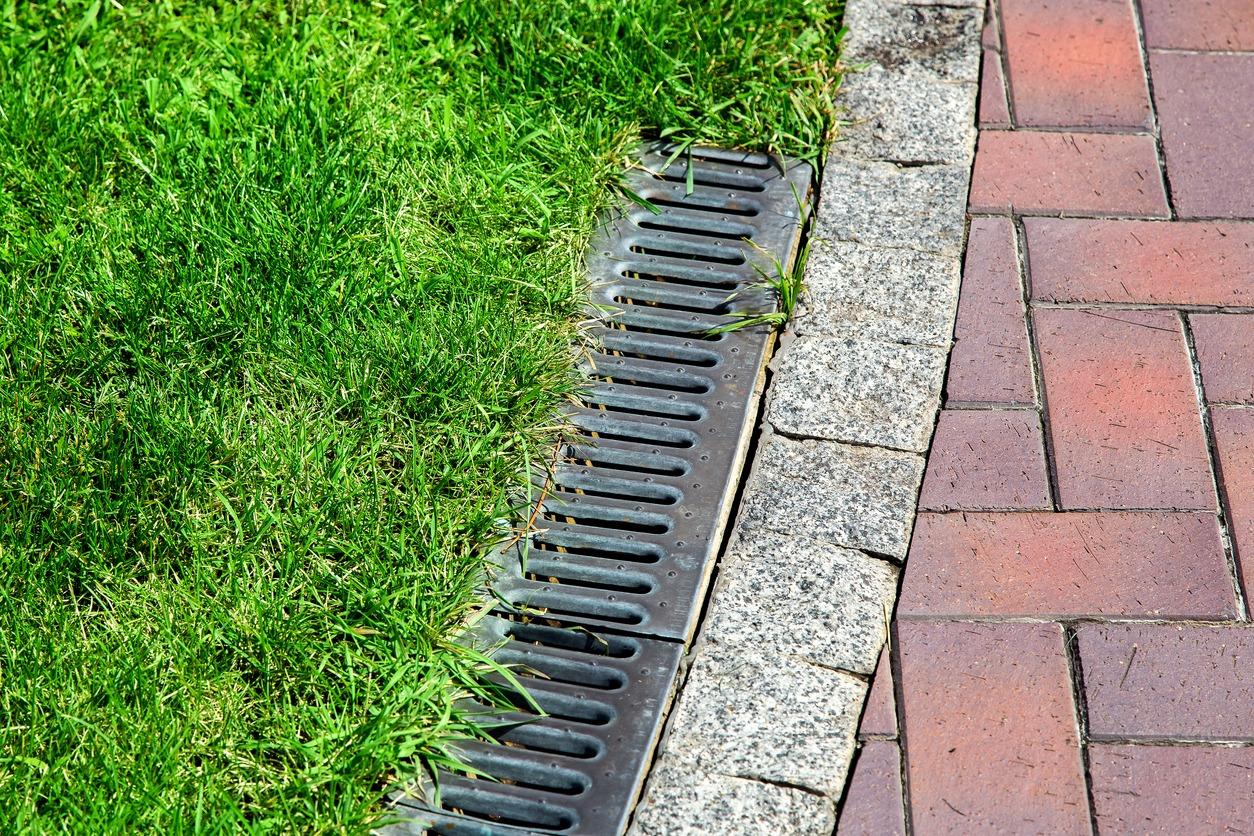
- Catch Basins and Channel Drains: These solutions involve surface-level drains that collect water and move it through pipes. A catch basin is a box with a grate on top, often placed in low points of a yard to grab water and funnel it into an underground drain pipe. Channel drains (often seen along driveways) are long grates that collect water over a broader area. Both can help intercept and redirect water before it settles into unwanted places.
Each yard is a bit different, and sometimes a combination of these yard drainage solutions is needed to fully dry out a property. Addressing drainage proactively will protect your landscaping and your home’s foundation. With the right solution in place, you’ll have a firm, dry lawn after storms, and your residential irrigation systems will be able to water the yard without creating mud. In short, improving lawn drainage means a safer, more usable outdoor space.
How Does Landscape Lighting Improve Safety and Curb Appeal?

Landscape lighting isn’t just about making your home look pretty – it also plays a major role in keeping you safe. A well-planned outdoor lighting system illuminates paths, steps, and entryways, allowing you and your guests to walk around at night without tripping. By identifying potential hazards, you prevent accidents before they occur. Additionally, a brightly lit exterior is a deterrent for intruders. Criminals are less likely to approach a house if there are no dark shadows to hide in. Some outdoor lighting ideas to boost safety include installing low-voltage path lights along walkways, putting gentle lights on stairs, and using motion-activated floodlights at the corners of your home.
Beyond safety, lighting significantly enhances your home’s curb appeal during evening hours. Think about the impression your property makes at night. With thoughtful lighting design, your home can look just as inviting and elegant after sunset as it does during the day. Outdoor lights can highlight the best features of your landscape and architecture, enhancing the overall aesthetic. For instance, you can aim soft uplights at a beautiful tree to show off its branches, or place subtle spotlights to accentuate the texture of your home’s stone or brick walls. These touches create a welcoming atmosphere and showcase your landscaping investments even when it’s dark out. Neighbors and visitors will notice how your house stands out as warm and well-cared-for at night.
Another advantage of installing landscape lighting is that it extends your usable living space. You’re not limited to enjoying your patio or backyard only in daylight. With adequate lighting, you can host dinners on the deck or let kids play in the yard on a summer evening, all in a safe, well-lit environment. Importantly, quality outdoor lighting is designed to light up your property without causing harsh glare or light pollution. Professional lighting installers use techniques like shielding and precise angling to ensure the light goes where it’s intended, illuminating your walkways and features, rather than spilling into the sky or your neighbor’s windows. That means you get the benefit of bright, clear lighting for security and beauty, but the night sky and surrounding area stay peaceful. In summary, a well-designed lighting setup enhances your home’s safety, showcases its beauty, and enables you to fully enjoy every inch of your outdoor space after dark. There is a wealth of outdoor lighting ideas available to achieve these goals, allowing you to customize the ambiance exactly as you want.
How Do You Choose the Right Irrigation and Lighting Provider?
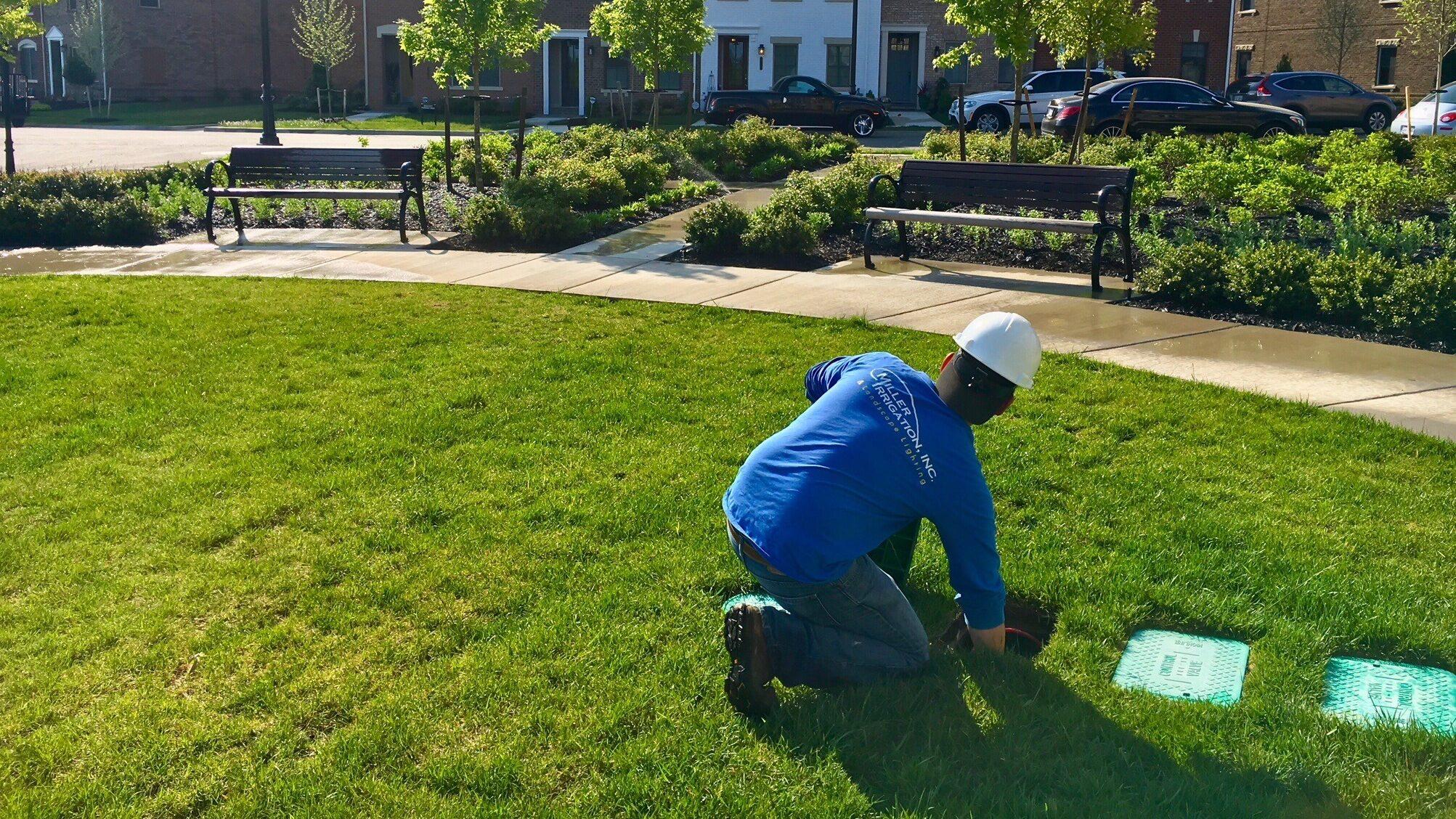
Installing residential irrigation systems and landscape lighting is a significant investment in your home, so you want to ensure it’s done correctly. That means choosing a provider you can trust, one who will treat your property as if it were their own. The right contractor will be accountable, caring, and committed to high-end service without being pretentious. So how do you know you’re picking the best team for the job?
Begin by evaluating their responsiveness and professionalism. Pay attention to how quickly they reply when you reach out. A quality company respects your time: for example, Miller Irrigation prides itself on addressing all requests in a timely manner. When you call with a question or concern, they answer the phone and ensure you’re fully informed at every step. This kind of prompt communication is a good sign that the company will be accountable throughout the project. You should feel like your needs matter to them.
Next, evaluate their expertise and quality of work. Irrigation and landscape lighting require specialized knowledge and precision. It’s wise to choose a provider that focuses on these services (rather than a general landscaper who only dabbles in them). Experienced specialists will design and install systems correctly the first time. Look for a company known for precision and quality, every sprinkler head should be placed just right. They should also offer personalized care, meaning they tailor the solution to your property’s unique needs instead of trying a one-size-fits-all approach. When a team takes the time to customize your irrigation zoning or lighting layout for your home, it shows they truly care about the results you get.
It’s also helpful to consider what extra value or guarantees a company provides. For instance, Miller Irrigation offers free landscape lighting demos for homeowners. That means they will set up temporary lights in your yard so you can see how different outdoor lighting ideas actually look on your property before you make a commitment. This kind of service demonstrates a provider’s confidence in their work and a commitment to your satisfaction. Likewise, a good contractor will stand by their work and be there for you after installation, whether it’s for maintenance or adjustments. Knowing you have a reliable partner for the long term gives you peace of mind.
Ultimately, select a company with a strong reputation and a proven track record of reliability. It’s worth reading reviews or getting recommendations from other homeowners. You want people who are respected in the community. Miller Irrigation, for example, is locally rooted in Richmond and has built a loyal client base over the years. They take personal pride in maintaining the beautiful properties under their care. When your contractor genuinely cares about your satisfaction and the outcome on your property, you can relax knowing your home is in good hands. Ultimately, the right irrigation and lighting provider will deliver a great result while making the entire process easy and worry-free for you.
Why Wait to Improve Your Landscape?
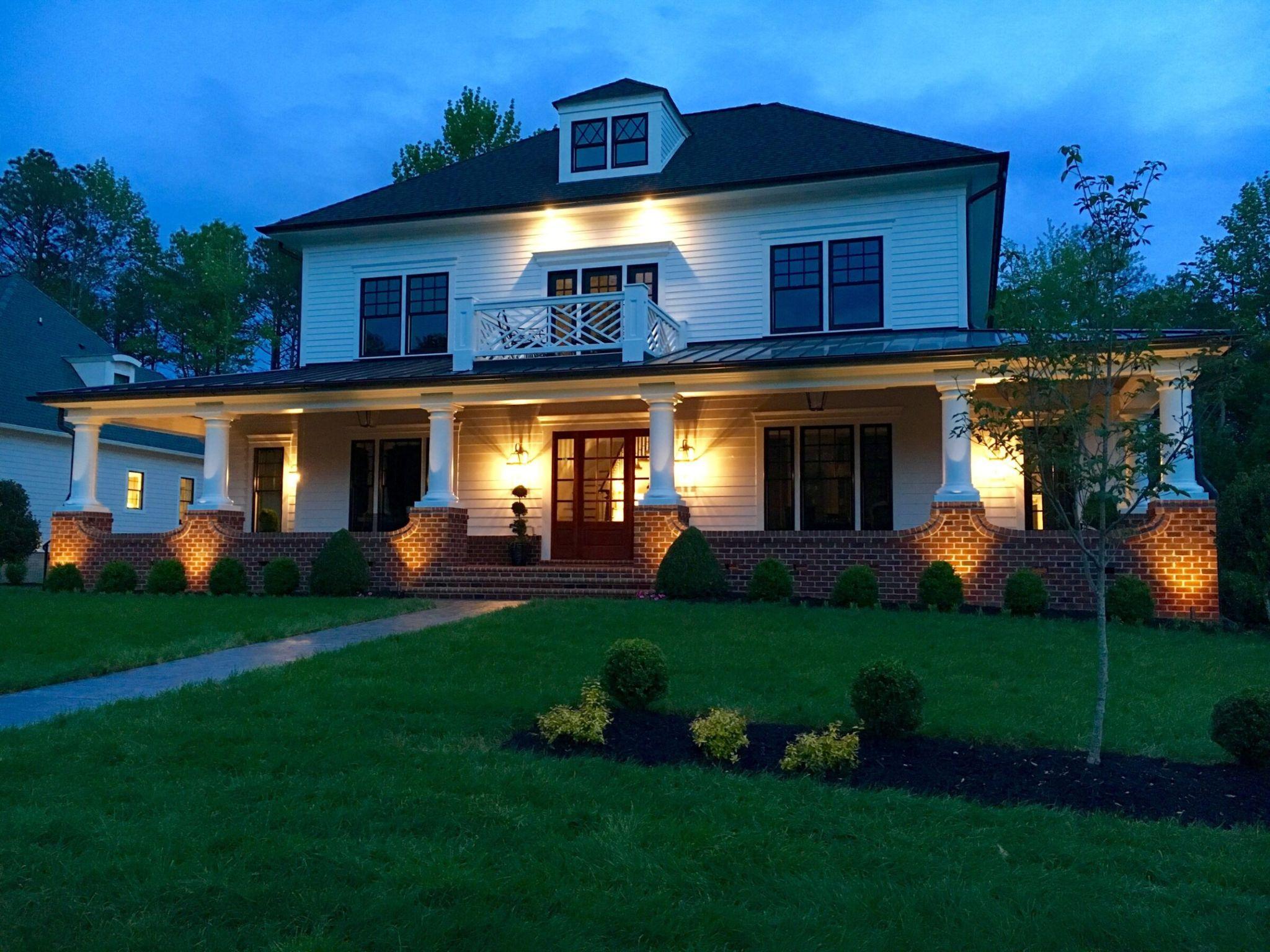
By combining efficient residential irrigation systems, proper yard drainage, and creative landscape lighting, you can truly maximize your home’s outdoor potential. These improvements mean you get a lush lawn that stays healthy, a yard that drains well even after heavy rain, and a beautifully illuminated property that stands out in the evening. All of this can be achieved while saving yourself time and effort in maintenance. In short, you end up with a more enjoyable, worry-free outdoor living space and the peace of mind that your property is protected and looking its best.
You have the power to make this vision a reality. There’s no need to keep putting up with dry patches, swampy corners, or a dark yard. Why wait, when a vibrant and stress-free landscape is within reach? Miller Irrigation is ready to help bring these irrigation, drainage, and lighting solutions to life for you. Don’t let another season slip by while your yard struggles. Now is the perfect time to invest in your landscape’s health and beauty. Miller Irrigation is just a phone call away, book now.
Summary
High-end homeowners can achieve lush, meticulously maintained landscapes with the help of residential irrigation systems. This professional-grade approach to landscape irrigation seamlessly combines advanced technology, smart automation, and water conservation with elegant design. It ensures healthy plants, efficient water use, and elevated curb appeal with minimal effort for sustainable and luxurious outdoor living.
Tags: