
How Do Irrigation Systems Work? Top 20 Irrigation Questions Answered
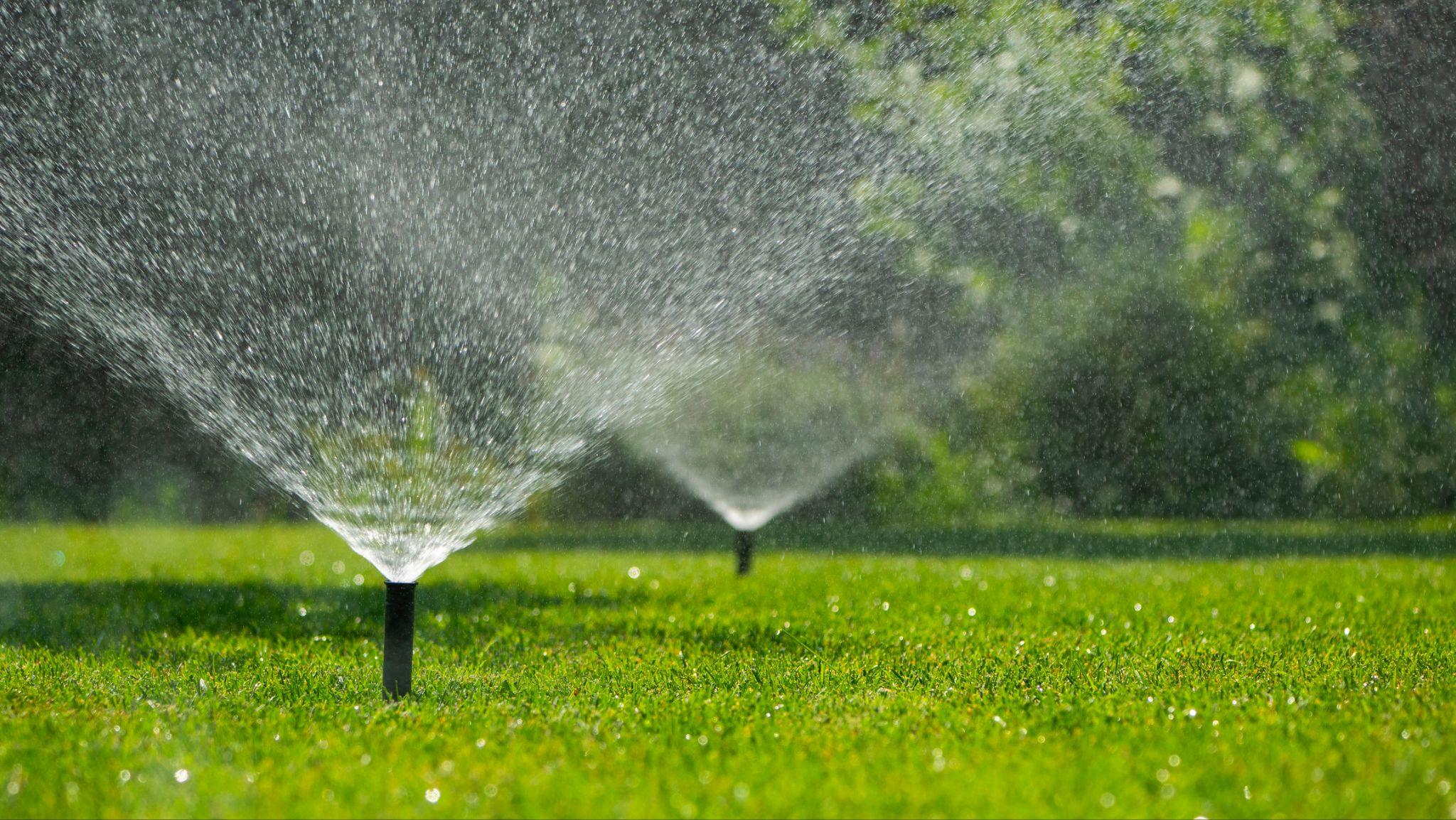
Your lawn and landscape are an extension of your home. Brown patches, standing water, or plants that never seem satisfied often point back to one issue: not fully understanding how an irrigation system works.
Once you understand how irrigation systems are designed to function as part of a larger outdoor plan, decisions become clearer. That bigger picture is explored further in our guide, where you learn how your irrigation, drainage, and landscape lighting all work together to support your property.
How Does A Residential Irrigation System Work?
At its core, how an irrigation system works is about controlled water delivery. Water enters through your main supply, moves through underground pipes, and is released through sprinkler heads or drip emitters based on a programmed schedule.
Turf areas, planting beds, and ornamental gardens all absorb water differently. If you want to understand how zoning fits into your overall outdoor layout, seeing how all your outdoor systems are designed to work together provides helpful context.
How Often Should You Run Your Sprinkler System And For How Long?
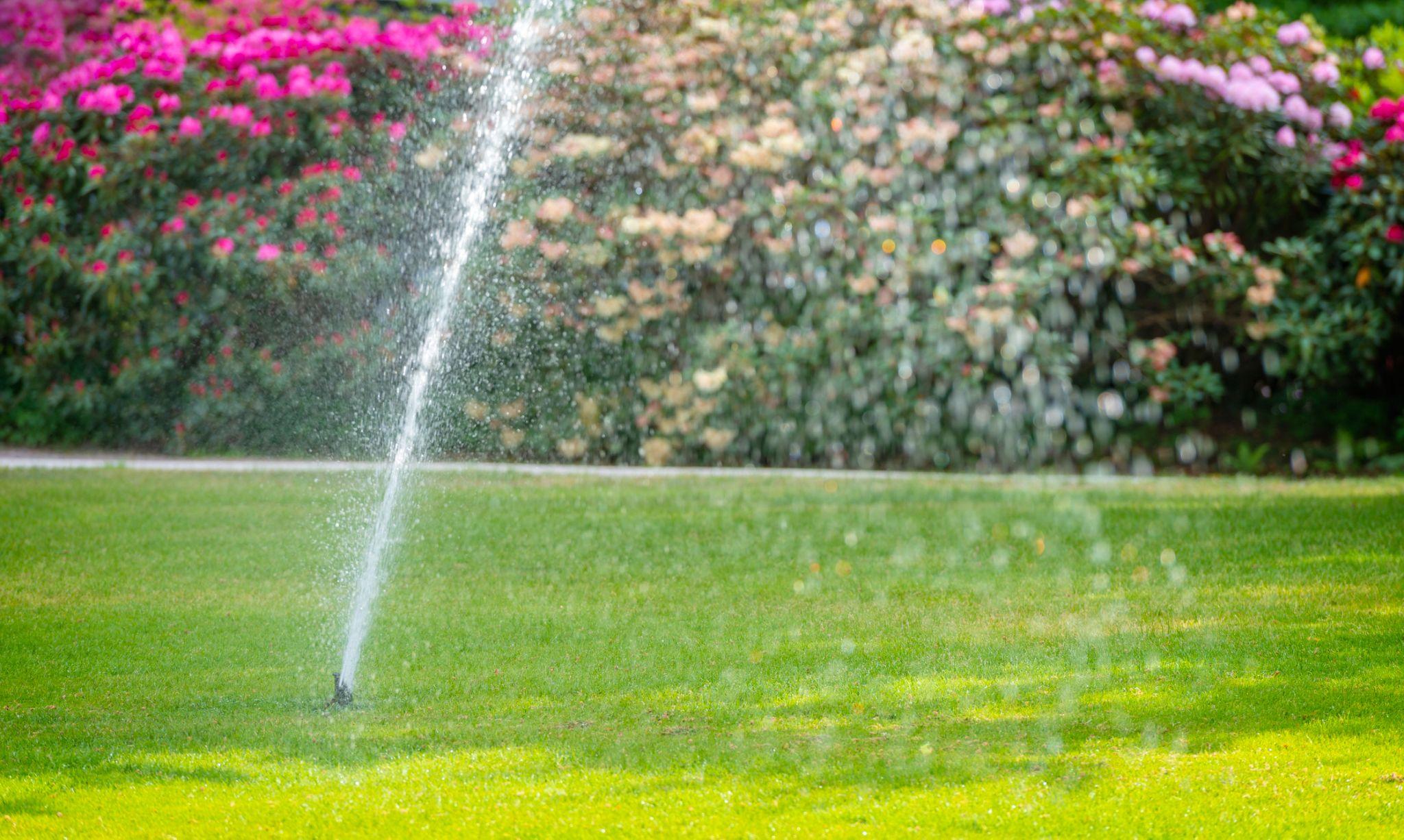
Homeowners often ask how often they should run their sprinkler system, but there is no answer that works for every situation. Frequency depends on soil composition, sun exposure, plant type, and seasonal weather patterns.
Longer, well-timed cycles allow moisture to penetrate the soil properly. If you want to better align watering schedules with your full property setup, you can explore how irrigation timing influences the rest of your outdoor space.
How Long Do Irrigation Systems Last Before Needing Replacement?
How long irrigation systems last remains a common question. Underground piping typically has the longest lifespan, while components like sprinkler heads, valves, and controllers may need updates over time.
Longevity depends on water pressure, soil movement, seasonal preparation, and routine inspections. To better understand long-range planning, you may want to look at how outdoor systems are designed to protect your property over time.
Can You Install A Lawn Irrigation System Yourself Or Should You Hire A Pro?
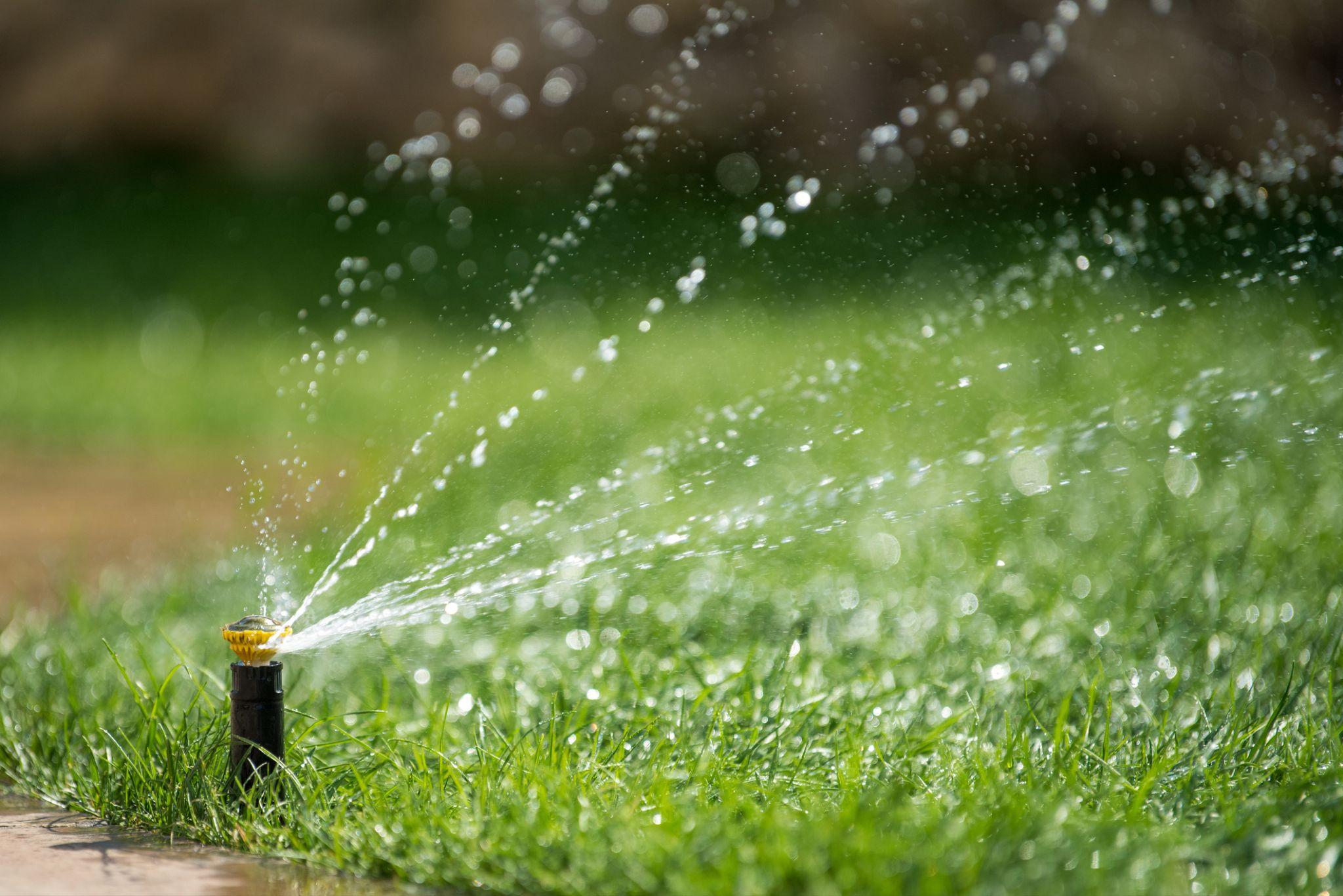
Many homeowners ask if they can install an irrigation system themselves. While small DIY systems exist, installing a full residential irrigation system requires technical knowledge.
When irrigation systems work underground, mistakes are not always visible until damage occurs. If you are weighing your options, seeing how irrigation fits into a complete outdoor system plan can help clarify the value of proper installation.
What Maintenance Does An Irrigation System Require?
Understanding how to maintain an irrigation system starts with recognizing that maintenance is ongoing, not seasonal only. Regular observation during watering cycles helps catch misaligned heads, clogged nozzles, or inconsistent spray patterns early.
Maintenance also includes adjusting schedules as weather changes, checking valves, and ensuring sensors are working correctly. You can learn how consistent care keeps all outdoor systems functioning smoothly by looking at the full picture.
Do Irrigation Systems Really Save Water Compared To Manual Watering?
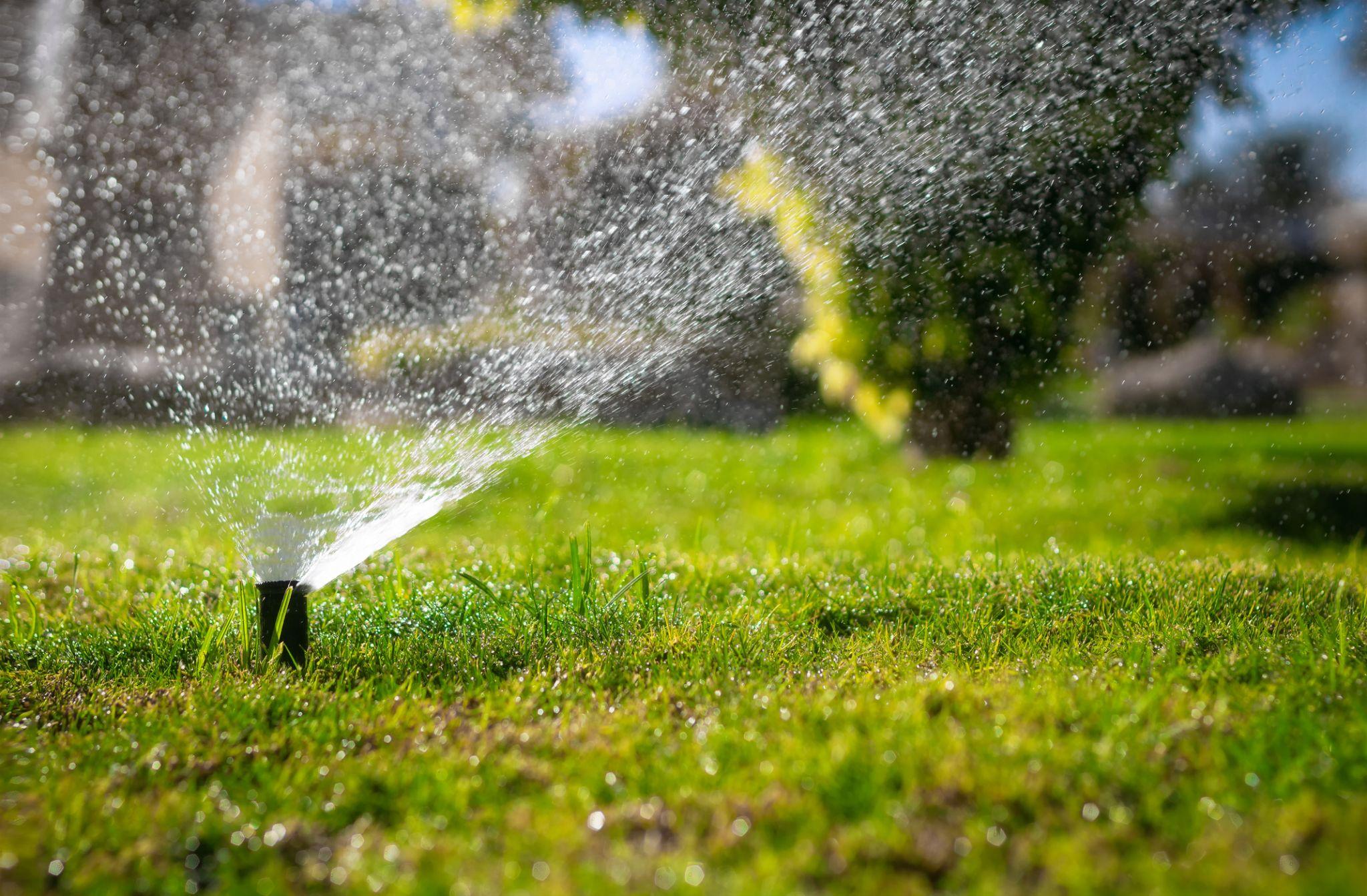
Many homeowners wonder if irrigation systems save water compared to manual methods. When designed properly, they do. Automated systems apply water evenly and at optimal times, reducing runoff and evaporation.
Manual watering often leads to overwatering some areas while missing others. If conservation matters to you, understanding how irrigation and drainage work together provides valuable insight.
What Is The Best Time Of Day To Water Your Lawn With An Irrigation System?
Choosing the best time to water lawn areas has a direct impact on plant health. Early morning watering allows water to soak into the soil before the heat causes evaporation. It also reduces the risk of fungal growth.
Watering schedules influence drainage performance and even lighting safety in some areas. If you want to see how timing fits into the broader outdoor plan, you can explore how irrigation schedules support your entire property.
What Are The Different Types Of Irrigation Systems You Can Choose From?
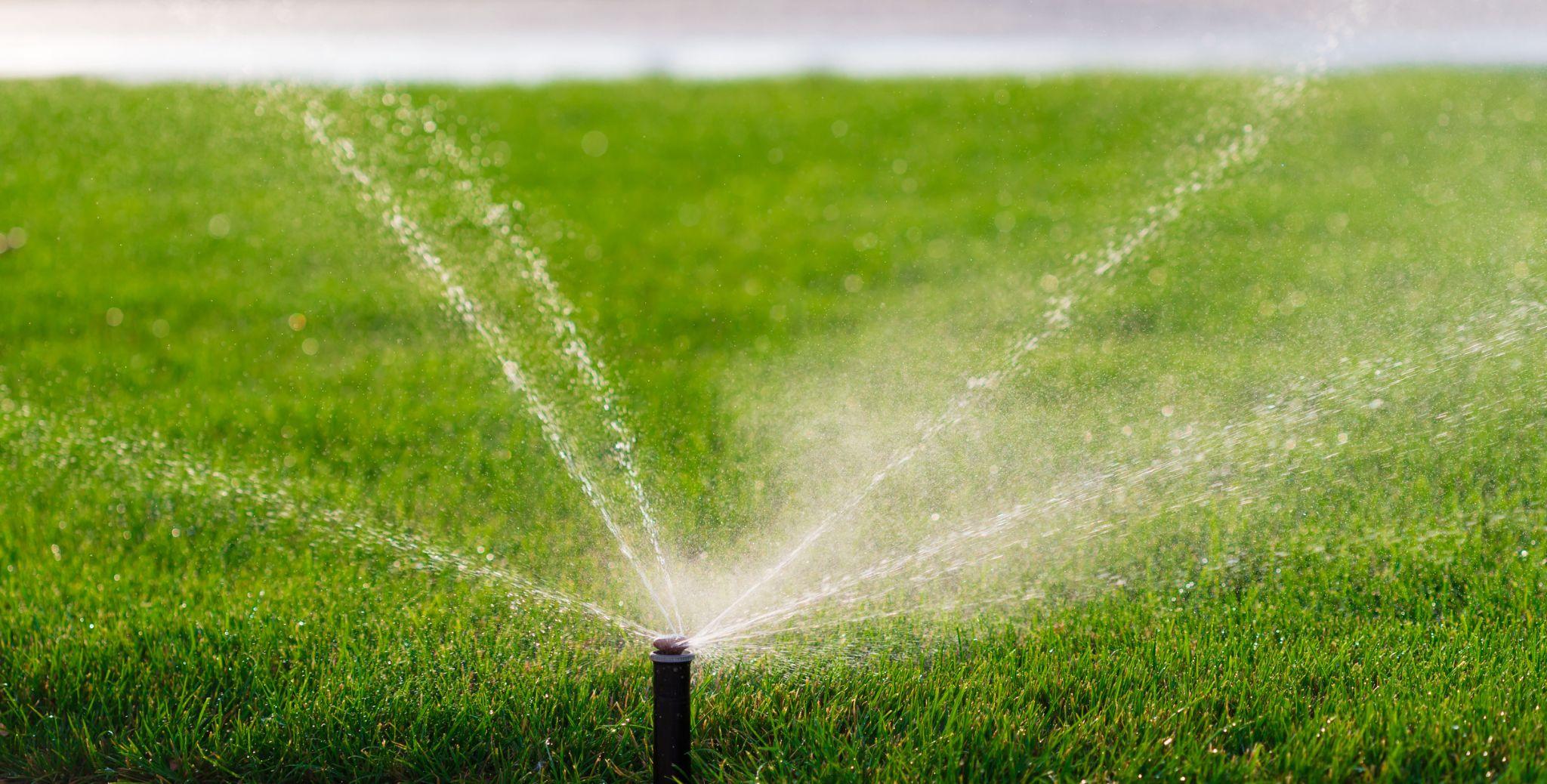
There are several irrigation system types, and each works differently depending on property needs. Spray systems suit smaller turf areas, rotor systems cover larger lawns, and drip irrigation supports gardens and planting beds.
System selection also affects drainage patterns and long-term maintenance. Looking at how irrigation choices shape your outdoor layout can help guide decisions.
How Do Rain Sensors Or Smart Controllers Help Your Irrigation System?
Rain sensors and smart controllers improve efficiency by adjusting watering automatically. Rain sensors pause cycles during rainfall, while smart controllers adapt schedules based on weather data.
Automation also protects landscapes from overwatering. If you are curious about how technology fits into your setup, seeing how smart controls support your outdoor systems offers clarity.
What Should You Do To Prepare Your Irrigation System For Each Season?
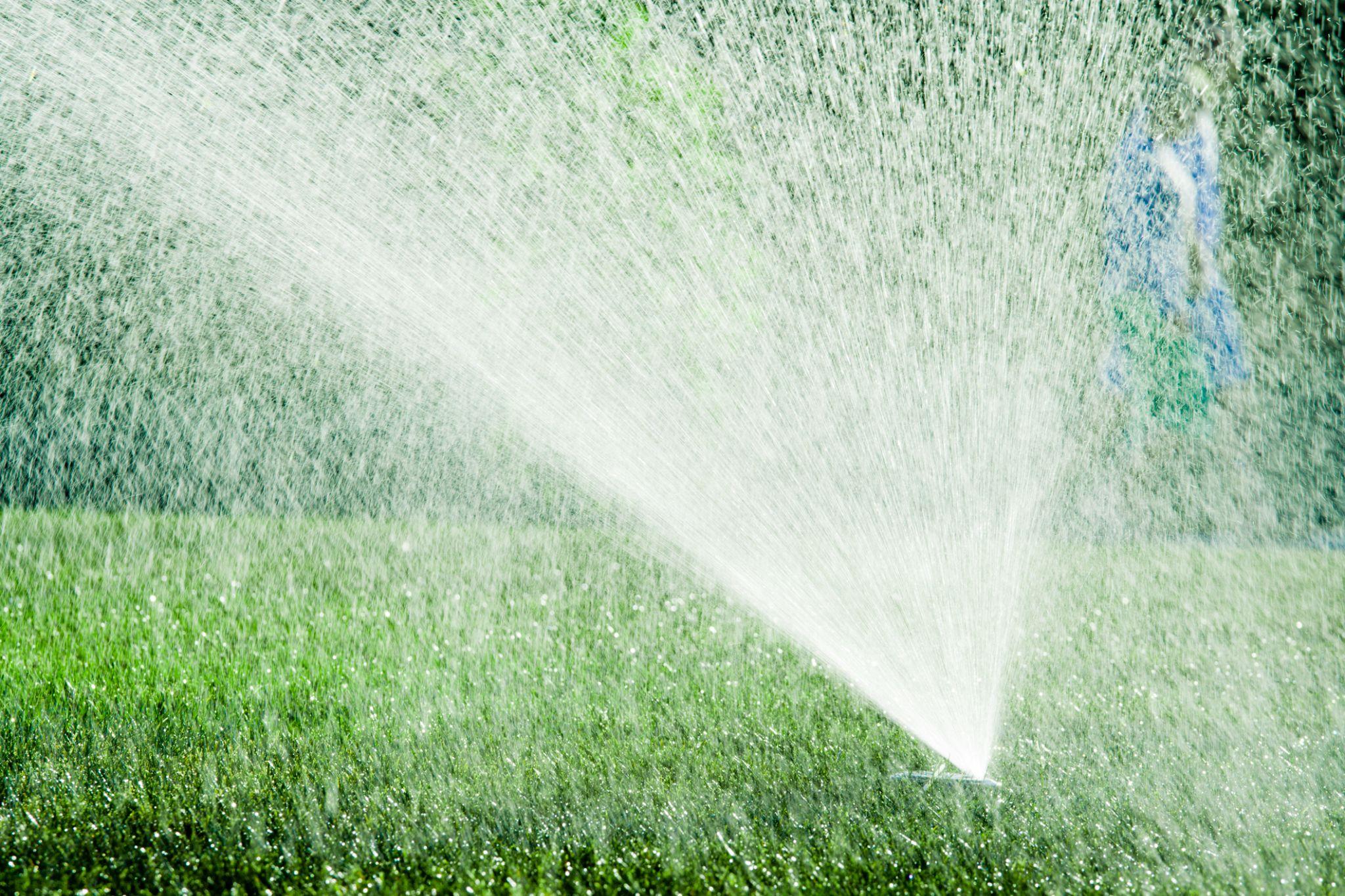
Seasonal preparation is essential. Spring startups require careful inspection to avoid pressure damage. Fall winterization removes water from lines to prevent freezing.
Seasonal care aligns closely with drainage planning and lighting adjustments. You can learn how seasonal preparation protects your entire outdoor system by looking beyond irrigation alone.
How Often Should You Check Your Irrigation System For Leaks Or Broken Heads?
Monthly inspections during the watering season help catch issues early. Look for pooling water, misting spray, or dry patches.
Regular checks also protect the surrounding hardscape and drainage paths. Understanding how routine inspections support long-term system health can help you stay proactive.
What Routine Maintenance Does A Sprinkler System Need Each Season?
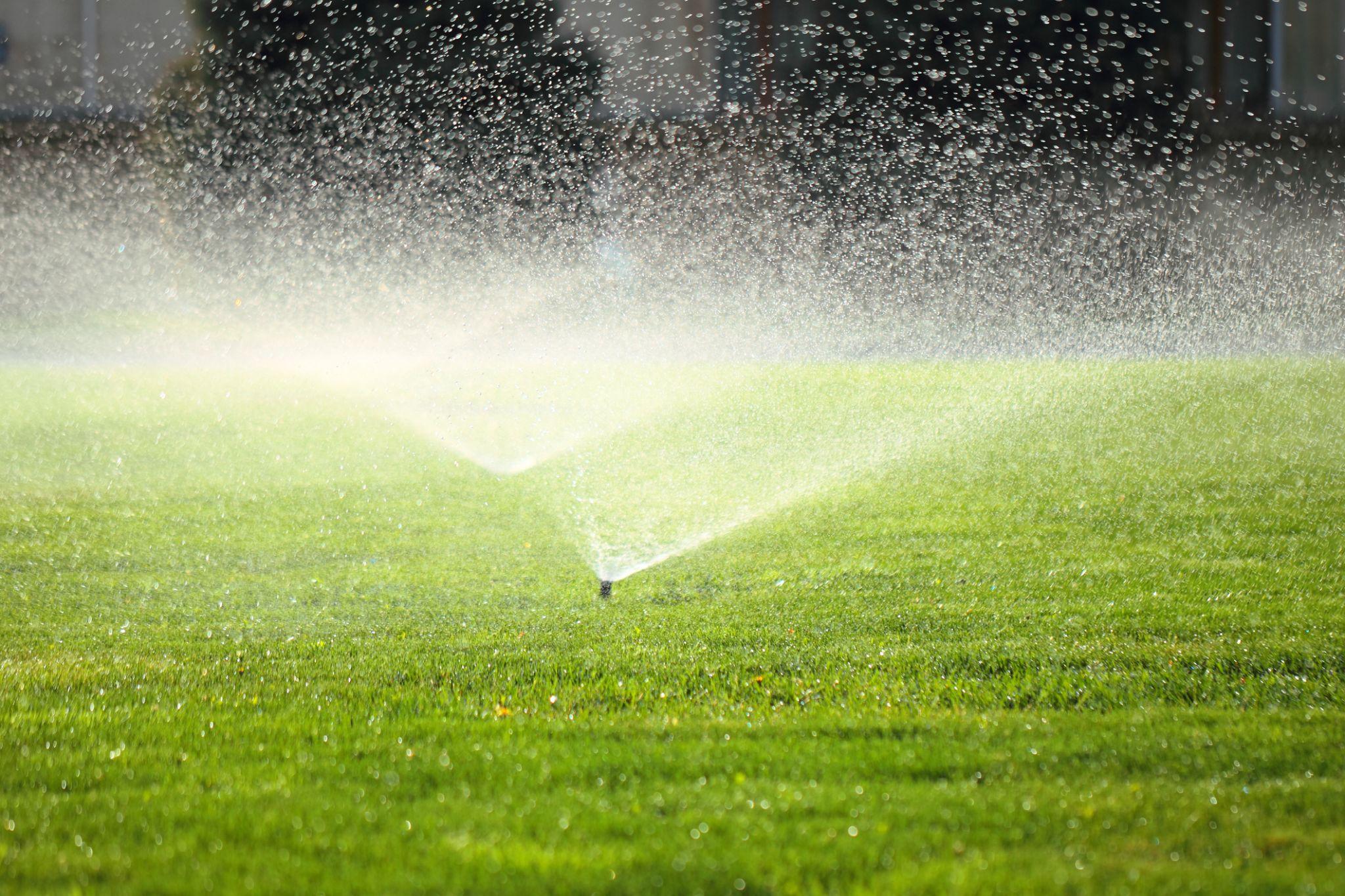
Each season has different priorities. Spring focuses on activation and adjustments. Summer requires monitoring and fine-tuning. Fall prepares the system for shutdown.
When irrigation systems work year-round, seasonal routines keep performance consistent. Seeing how irrigation fits into year-round outdoor care makes these steps easier to follow.
How Do You Clean Clogged Sprinkler Heads Or Drip Emitters?
Clogged heads restrict water flow and cause uneven coverage. Cleaning involves shutting off water, removing debris, and reinstalling components carefully.
Understanding how irrigation systems work at the head level helps restore balance quickly. Learning how small fixes protect the larger system reinforces why details matter.
What Should You Do If A Sprinkler Zone Is Not Turning On?
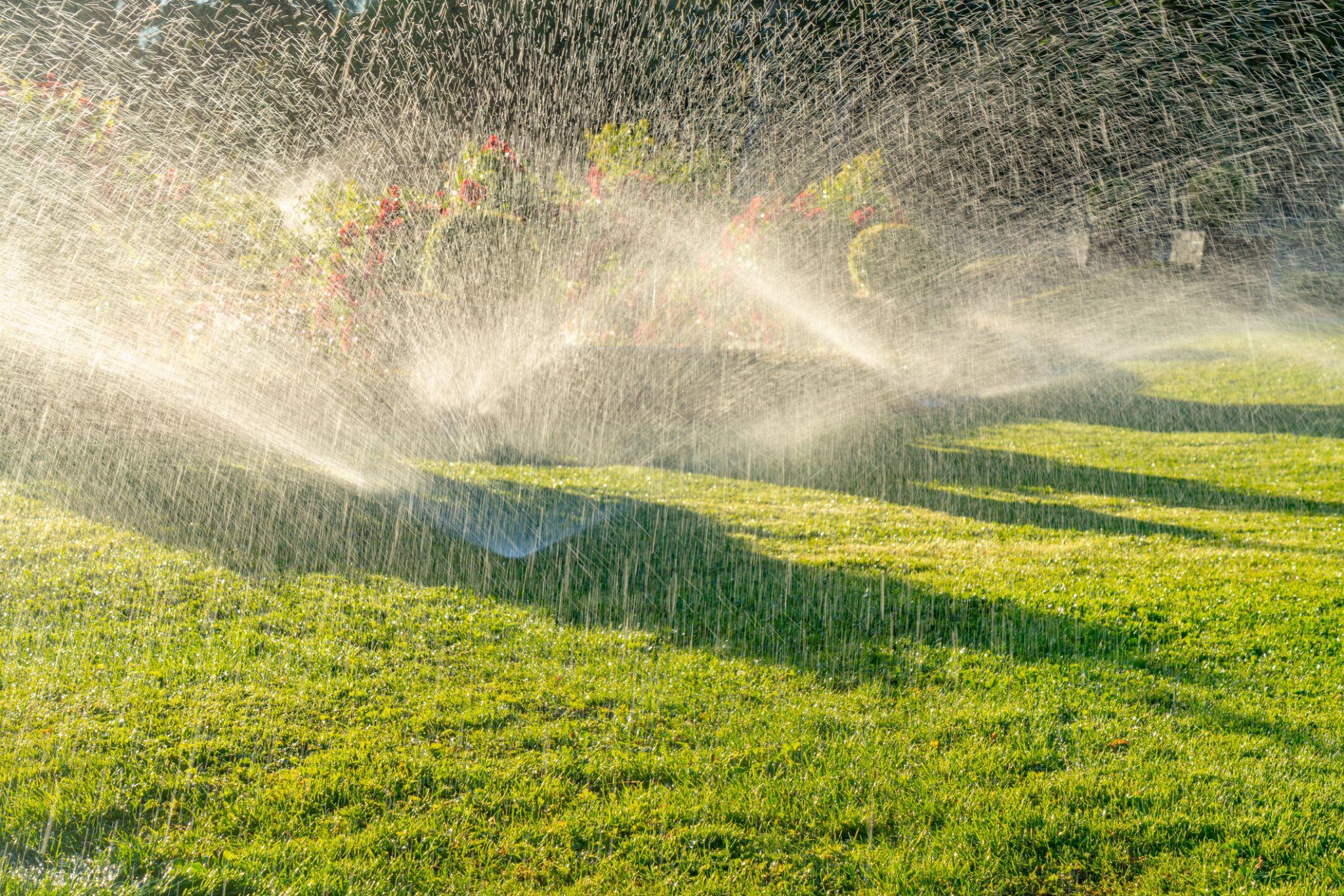
If a zone does not activate, check controller settings first. Valve issues or wiring problems may also be involved.
Knowing how irrigation systems work by zone helps narrow the issue. Seeing how zones interact within your full irrigation layout makes troubleshooting more manageable.
How Do You Adjust Sprinkler Heads To Improve Coverage?
Adjusting sprinkler heads improves efficiency and prevents overspray. Heads can be rotated, raised, or angled to match landscape contours.
Coverage affects drainage flow and nearby hardscapes. Understanding how coverage adjustments protect your full landscape helps maintain balance.
How Do You Know If Your Irrigation Timer Needs Reprogramming?
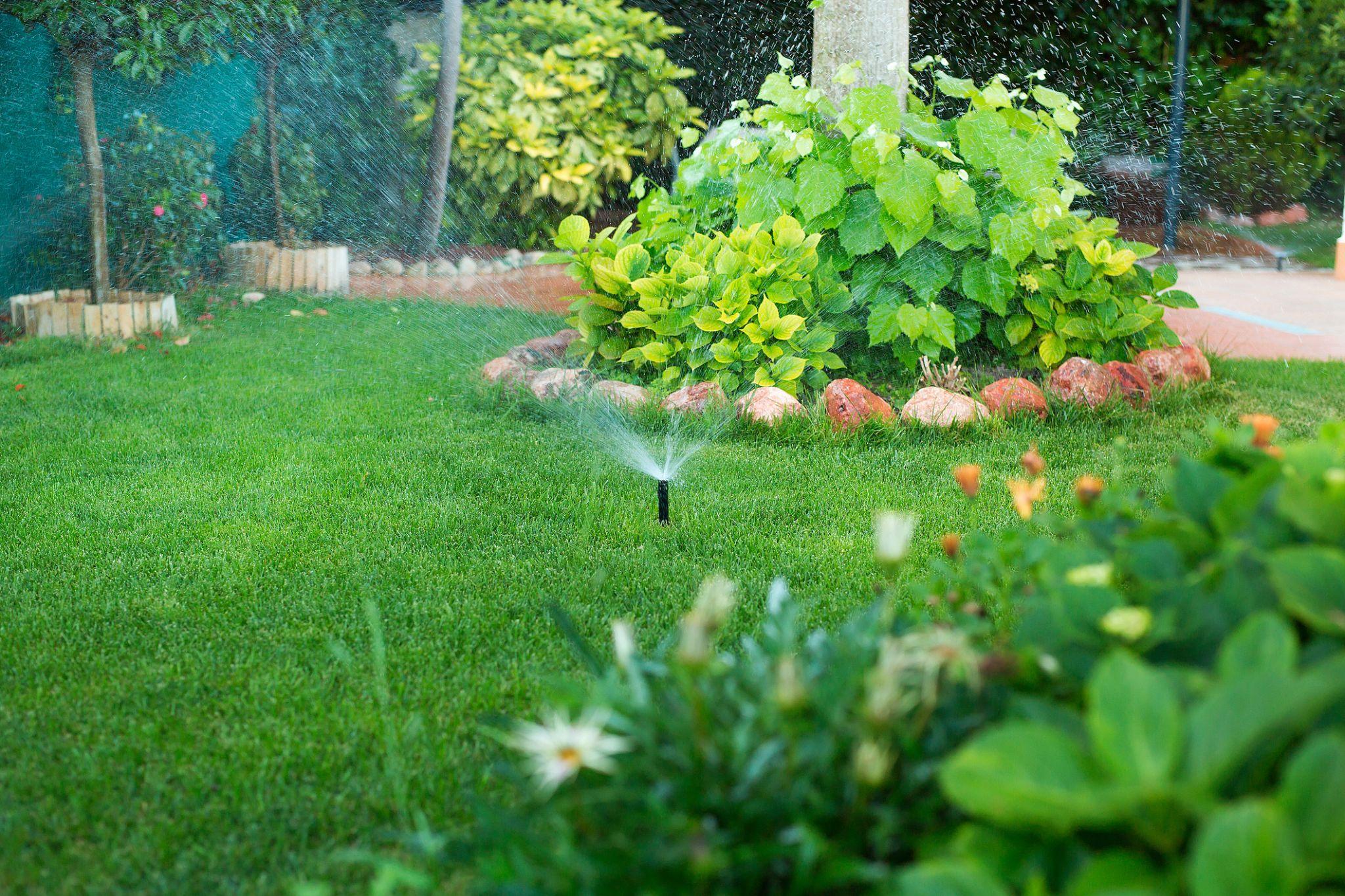
Seasonal weather changes often require schedule updates. Signs include soggy soil or stressed plants.
Timers play a key role in how irrigation systems work over time. Seeing how timing adjustments support your overall property can prevent ongoing issues.
What Causes Low Water Pressure In An Irrigation System?
Low pressure may result from leaks, clogs, or supply limitations. It often shows up as weak spray or uneven coverage.
Pressure issues can affect multiple zones. Understanding how pressure impacts your outdoor systems helps guide next steps.
How Do You Inspect Irrigation Lines For Damage?
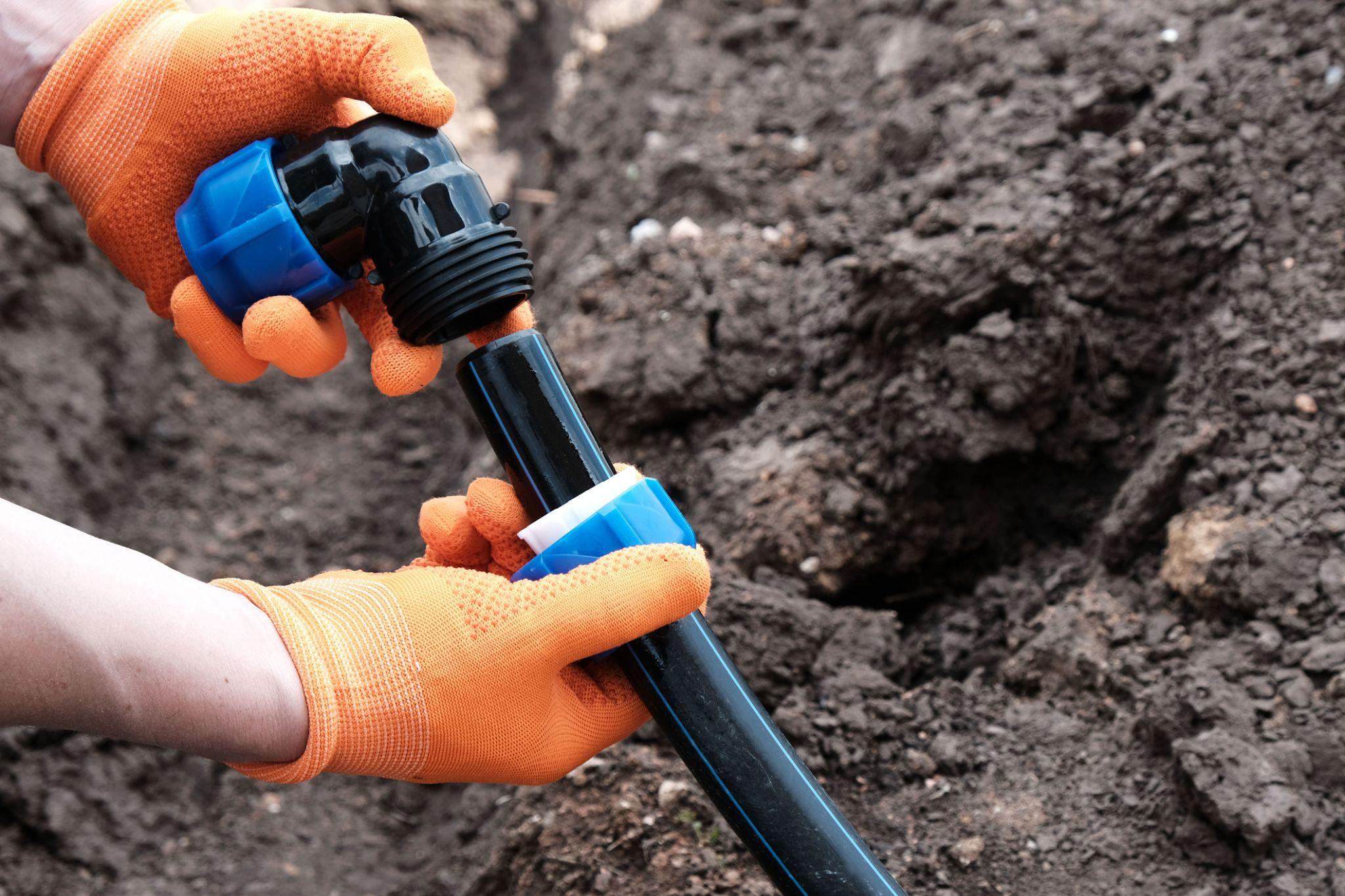
Inspect lines by observing system operation. Bubbling soil or unexplained wet areas may signal damage.
Line protection supports long-term reliability. Seeing how underground care protects your landscape adds an important perspective.
How Can You Tell If Your Irrigation System Is Overwatering Your Lawn?
Overwatering signs include pooling water, shallow roots, and fungal growth. Adjusting schedules usually resolves the issue.
Overwatering often affects drainage performance. Understanding how irrigation and drainage balance each other helps prevent recurring problems.
Should You Schedule A Yearly Irrigation System Check-Up With A Professional?

Yearly inspections help ensure every component is functioning correctly. Professional reviews catch issues that may go unnoticed.
Annual care supports precision and peace of mind. If you want attentive, reliable support for your property, you can book now.
Summary
Understanding how an irrigation system works gives you confidence in how water is delivered, managed, and maintained across your landscape.
Tags: