
Yard Drainage Solutions: Fix Common Problems Step by Step
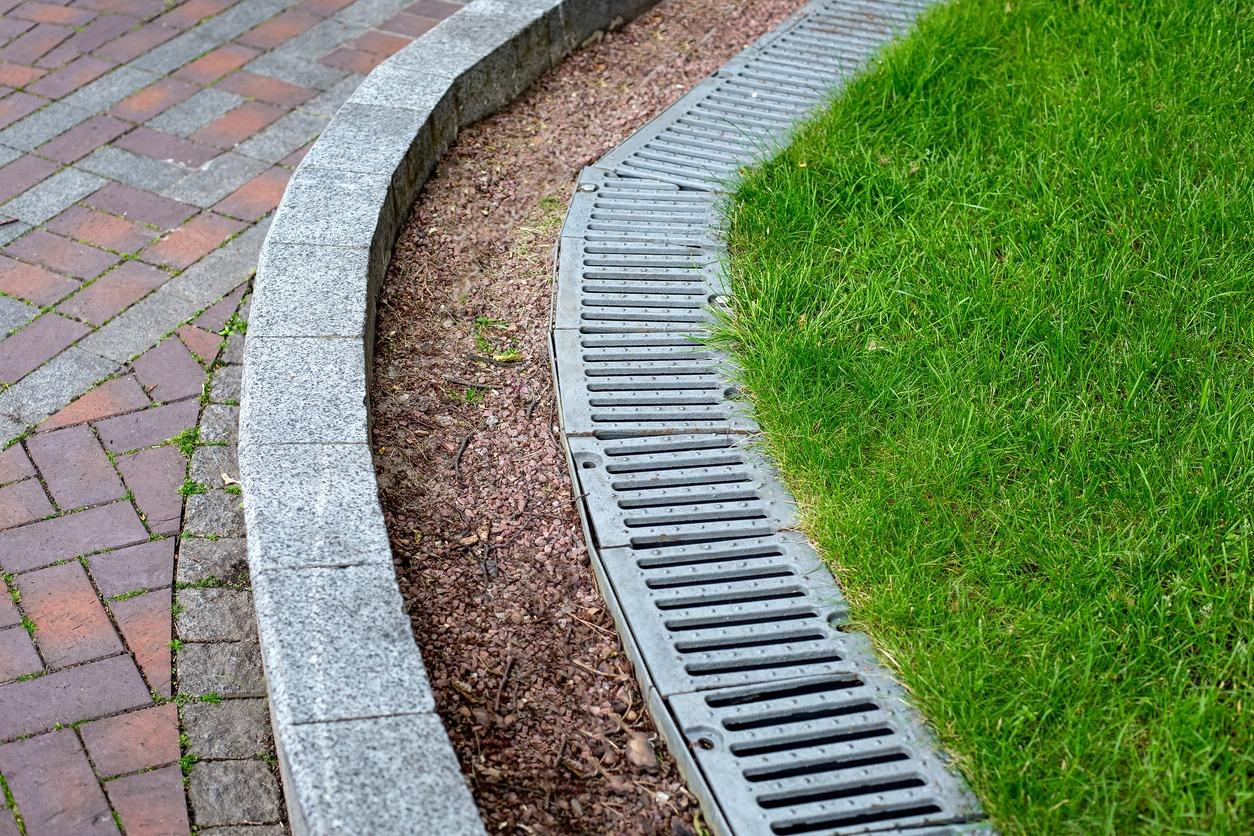
Yard drainage issues are more than just an eyesore. Persistent puddles or erosion can damage your landscape and even threaten your home’s foundation. For those who have invested in a high-end property, addressing these problems promptly is essential to protect that investment. This step-by-step guide presents practical solutions for common yard drainage problems, from simple fixes to more complex systems. By following these steps, you can keep your yard dry, beautiful, and structurally safe no matter the weather.
Step 1: Identify Drainage Problem Areas
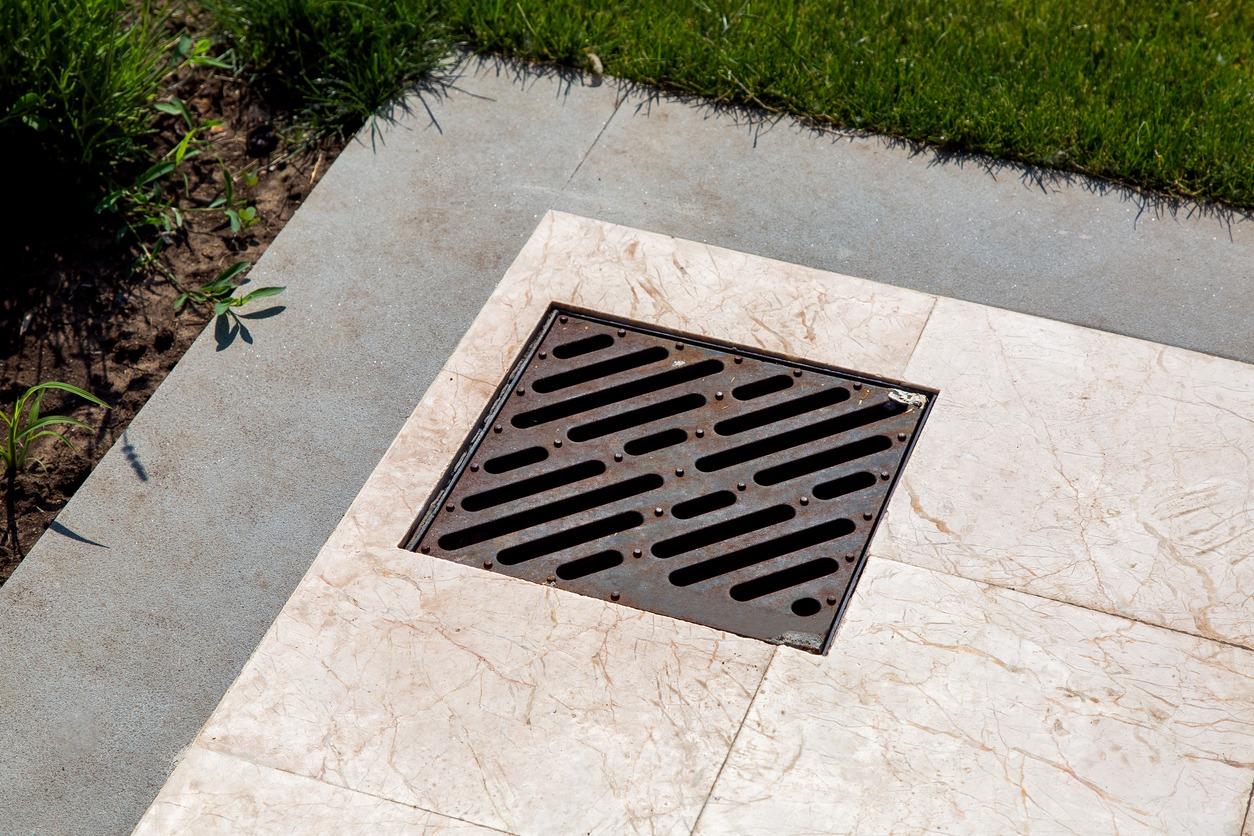
The first step in fixing drainage is to figure out where the water is coming from and collecting. Walk around your yard after it’s rained and note any spots where water has collected or the ground stays soggy. These are your trouble zones. Common causes for standing water in your yard include heavy clay soil (which drains slowly), low spots in the ground, and poor gutter runoff from downspouts near the house. By pinpointing the causes in each area, you can select the most effective yard drainage system to address them.
If you’re looking for drainage solutions, check our comprehensive blog on residential irrigation, drainage, and landscape lighting.
Step 2: Clear Gutters and Extend Downspouts
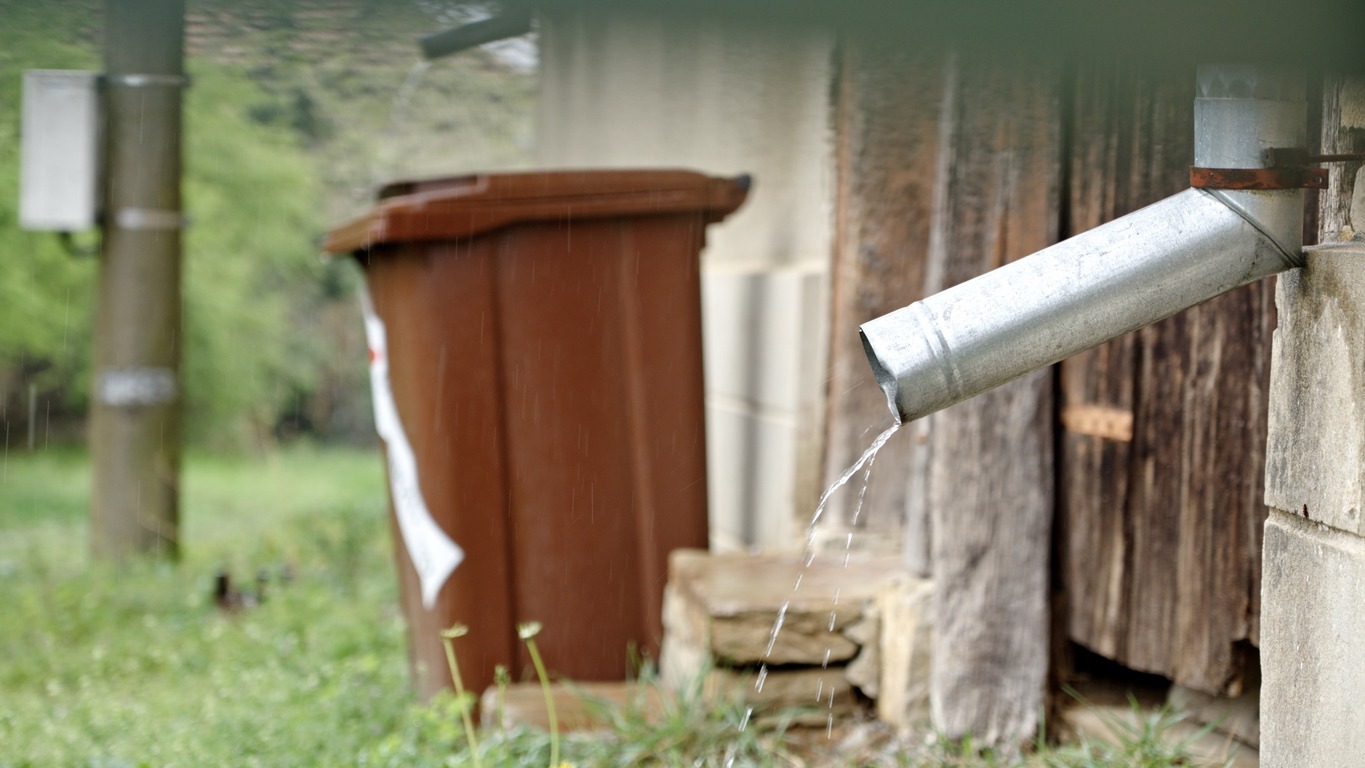
One of the simplest yard drainage solutions is making sure rainwater from your roof is directed well away from your home and problem spots in the yard. Start by clearing out your gutters. Remove leaves, sticks, and debris so rain can flow freely to the downspouts. Clogged gutters overflow and dump water straight down, often right next to your foundation, which can lead to a wet basement and a soggy yard. Aim to inspect and clean your gutters at least twice a year to keep water flowing properly.
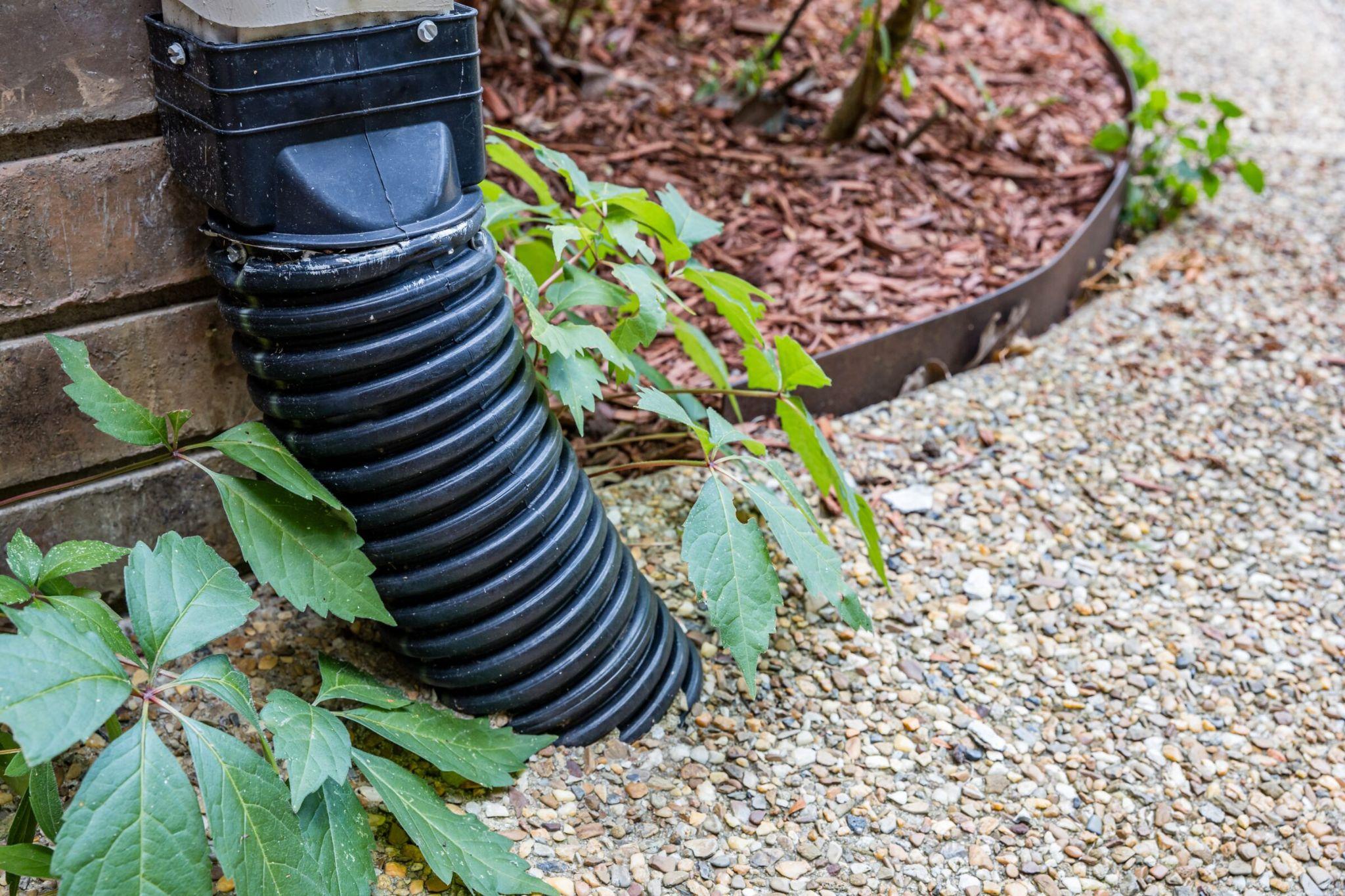
After cleaning the gutters, check your downspouts. Each downspout should release water onto a splash block or, better yet, into a downspout extension that carries the water several feet away from the house. Aim the extensions toward a spot where water can drain off safely, such as a slope or outlet, rather than pooling in a flat yard. By adding downspout extensions, you stop roof runoff from contributing to trouble zones.
It may seem like a small measure, but clean gutters and downspout extensions can significantly reduce excess water around your home. Together with other yard drainage solutions, this simple step helps prevent minor issues from becoming major problems down the line.
Step 3: Aerate Your Lawn for Better Drainage
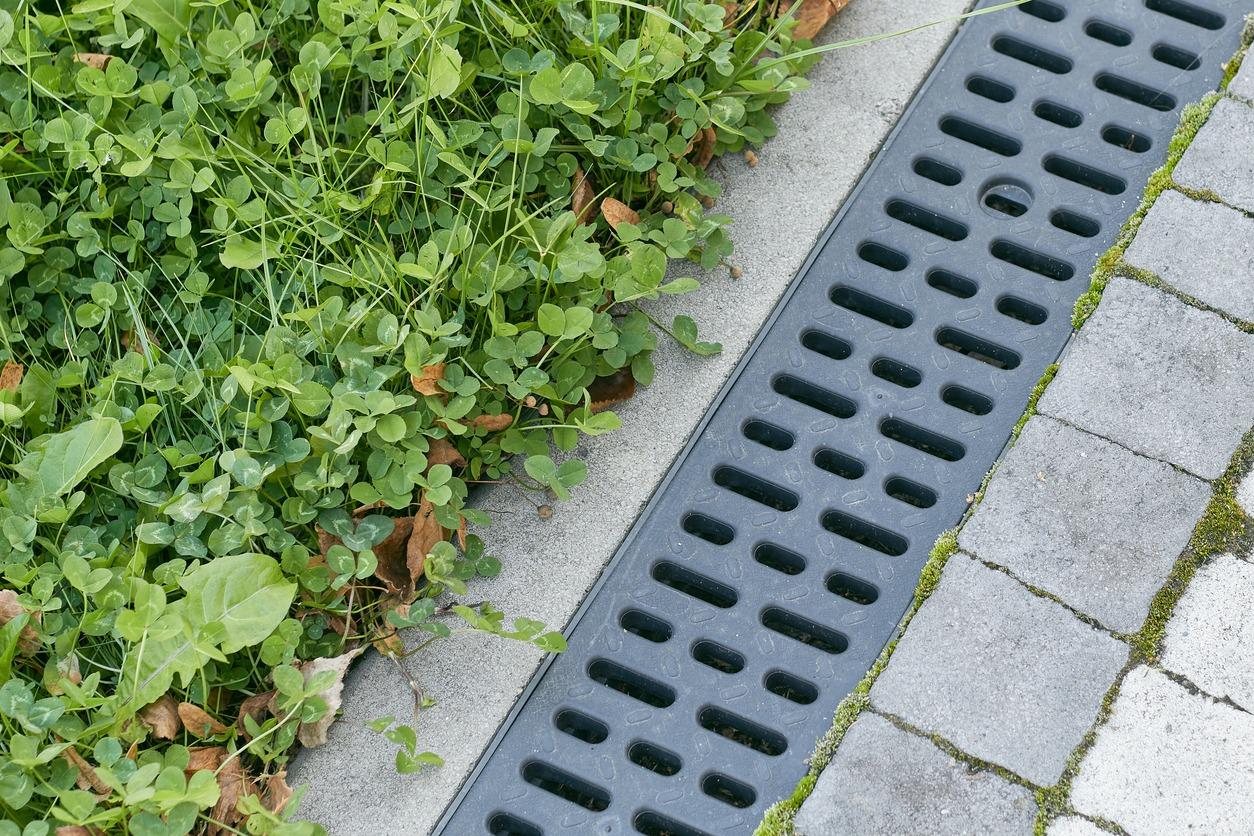
Soil compaction is a common cause of water pooling on a lawn. When soil is packed tightly, water can’t penetrate and ends up puddling on the surface. Aerating your lawn is one of the most effective yard drainage solutions to open up the soil and improve absorption. You can aerate your lawn by following a few simple steps:
- Time it right: Aerate when the soil is moist (a day after rain or watering) so the aerator can penetrate easily.
- Use an aerator: Rent a core aerator or use a manual tool to pull out small plugs of soil across the yard, focusing on the heavily compacted spots.
- After aerating: Let the extracted soil plugs dry and break down. For extra benefit, rake a thin layer of sand or compost over the lawn to filter into the holes, further improving drainage.
Aeration helps water soak into the ground rather than form surface puddles, making it an essential soggy yard fix for compacted soil. It’s a straightforward project that will improve lawn drainage over time, especially when combined with other yard drainage solutions.
Step 4: Install a French Drain for Persistent Water
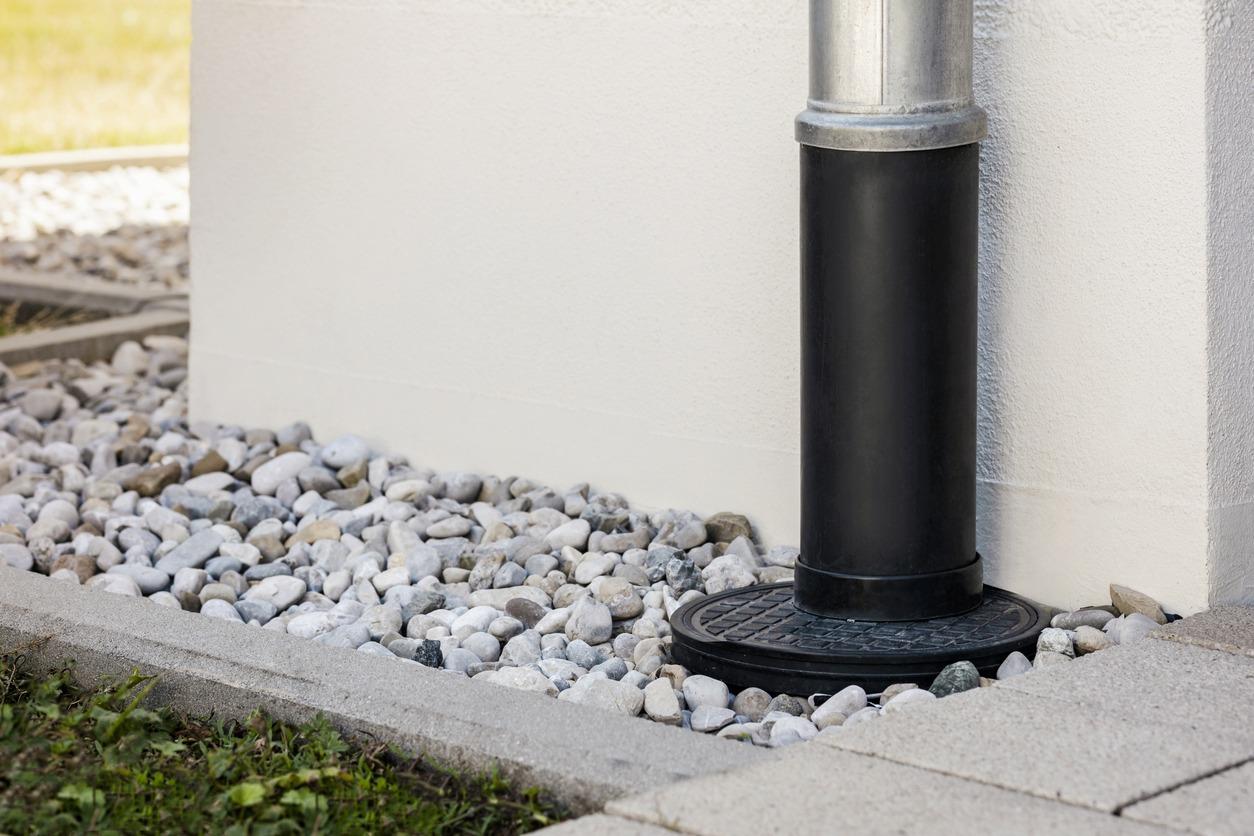
Some drainage problems are too persistent for simple fixes. If one part of your yard turns into a marsh after every rain, consider installing a French drain.
A french drain is one of the most proven yard drainage solutions for areas where water collects. It involves digging a trench from the soggy area to a better drainage point. In the trench, a perforated pipe is laid on a bed of gravel and then covered with more gravel and soil. This hidden system collects excess water and carries it away underground, preventing it from flooding your yard. This system must drain out somewhere, so make sure the end of the French drain empties into a safe outlet like a storm drain, a dry well, or a far corner of your property. You can attempt French drain installation as a DIY project for a small area, but for large or complex sites, it’s wise to hire a professional.
If you want to read more about yard drainage systems, check out our blog “residential irrigation, drainage, and landscape lighting”.
Step 5: Add a Sump Pump for Severe Drainage Problems
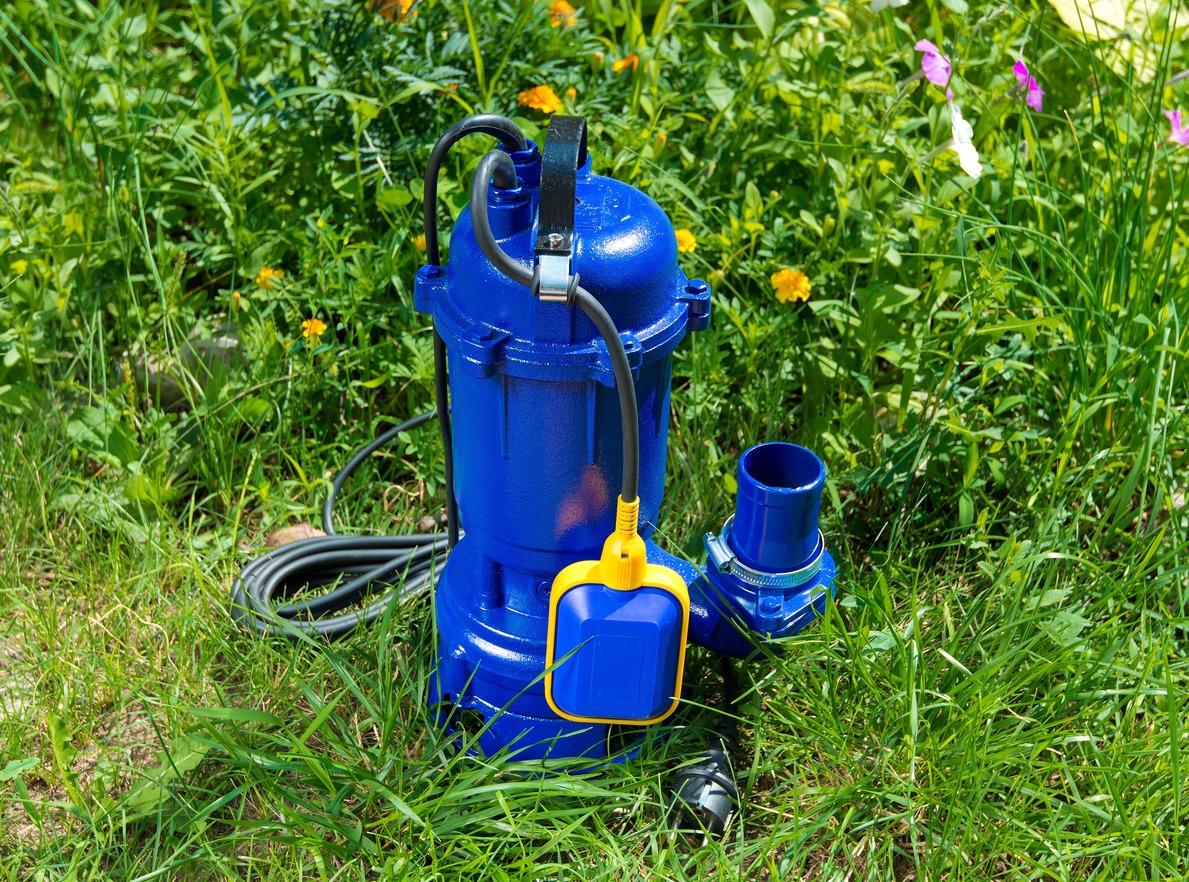
For severe drainage issues, one of the most reliable yard drainage solutions is installing a sump pump system. Passive drains rely on gravity, but a sump pump actively forces water out of a low area. To set one up, a pit is excavated at the lowest point of the problem spot and fitted with a perforated basin. When water fills this basin, the pump automatically kicks on and pushes the water through a pipe to a discharge point far from the problem area. Often, this means directing the outlet to a storm drain, a drainage ditch, or a dry well away from your house. Once the water level drops, the pump shuts off.
This kind of solution works well for yard sections that sit lower than the surrounding terrain or near structures where water must be kept away from the foundation. Since putting in a sump pump involves electrical work and careful planning, it’s best to have a professional handle the installation. With a proper sump pump in place, even severe drainage problems can be kept under control and your yard stays much drier.
Step 6: Regrade Your Yard if Necessary
If your yard has a poor overall slope, you may need to reshape the land itself to solve the drainage problem. Regrading involves adding or removing soil to create a gentle incline so water flows away from your house and low spots. Typically, the ground should slope downward about 1–2 inches per foot moving away from your foundation. This is a large project that typically requires professional assistance, as it necessitates the use of heavy equipment and specialized expertise to ensure accurate grading. While it’s a more drastic measure than other yard drainage solutions, it can provide a permanent fix by fundamentally redirecting how water drains on your property.
Tackling drainage issues in your yard requires a combination of preventative maintenance and effective yard drainage solutions. By identifying problem areas and applying these six steps, you can transform your wet, standing water in your yard into a dry and healthy landscape. Whether it’s clearing gutters, aerating soil, or installing drainage systems, each action contributes to a yard that handles heavy rains with ease. Unchecked water can damage your home’s foundation, so address drainage issues before they cause major damage.
Yard Drainage Solutions in Richmond You can Count On
By now, you have a clear path to tackling your yard drainage issues step by step. Addressing these common problems promptly is crucial to prevent further damage to your lawn and home. Miller Irrigation is here to support you at every stage, bringing an accountable approach and expert care to ensure your yard stays dry and your drainage solutions truly last.
We understand how stressful it can be to deal with persistent puddles or erosion. At Miller Irrigation, we take that burden seriously and treat your property as if it were our own. Our team respects your time and landscape, delivering high-end results with a down-to-earth approach. When we fix a drainage problem, we hold ourselves accountable to get it right the first time. No shortcuts, just solutions that stand the test of time.
Water damage won’t wait, and neither should you. If you see water pooling after rain or notice soggy spots lingering, it’s urgent to take action to protect your landscape and foundation. Miller Irrigation responds swiftly because we genuinely care about protecting your home and peace of mind. You shouldn’t have to worry about a swampy yard or potential water damage—we’re here to eliminate those concerns with reliable drainage solutions tailored to your yard’s needs.
Your yard deserves the best care, and Miller Irrigation is ready to provide it with urgency and excellence. Don’t let drainage problems hold you back from a beautiful, worry-free outdoor space. Our professionals will customize a fix that lasts, keeping you informed and comfortable every step of the way. It’s time to take control of your yard’s well-being. Book now to schedule your service with Miller Irrigation and experience the relief of a dry, thriving lawn.
Summary
Effective yard drainage solutions help eliminate standing water, soggy spots, and long-term lawn damage. This guide walks you through identifying problem areas, cleaning gutters, extending downspouts, aerating soil, and using strategic systems like French drains and sump pumps. Each method addresses different causes of poor drainage and works together to protect your home’s foundation and improve yard usability. Whether you’re handling minor pooling or chronic flooding, these practical steps offer lasting results. For areas with consistent water collection, professional French drain installation can redirect moisture safely away. With the right plan, you can achieve a healthier, drier outdoor space.
Tags: