

Landscape Lighting FAQs: Answering Common Outdoor Lighting Questions
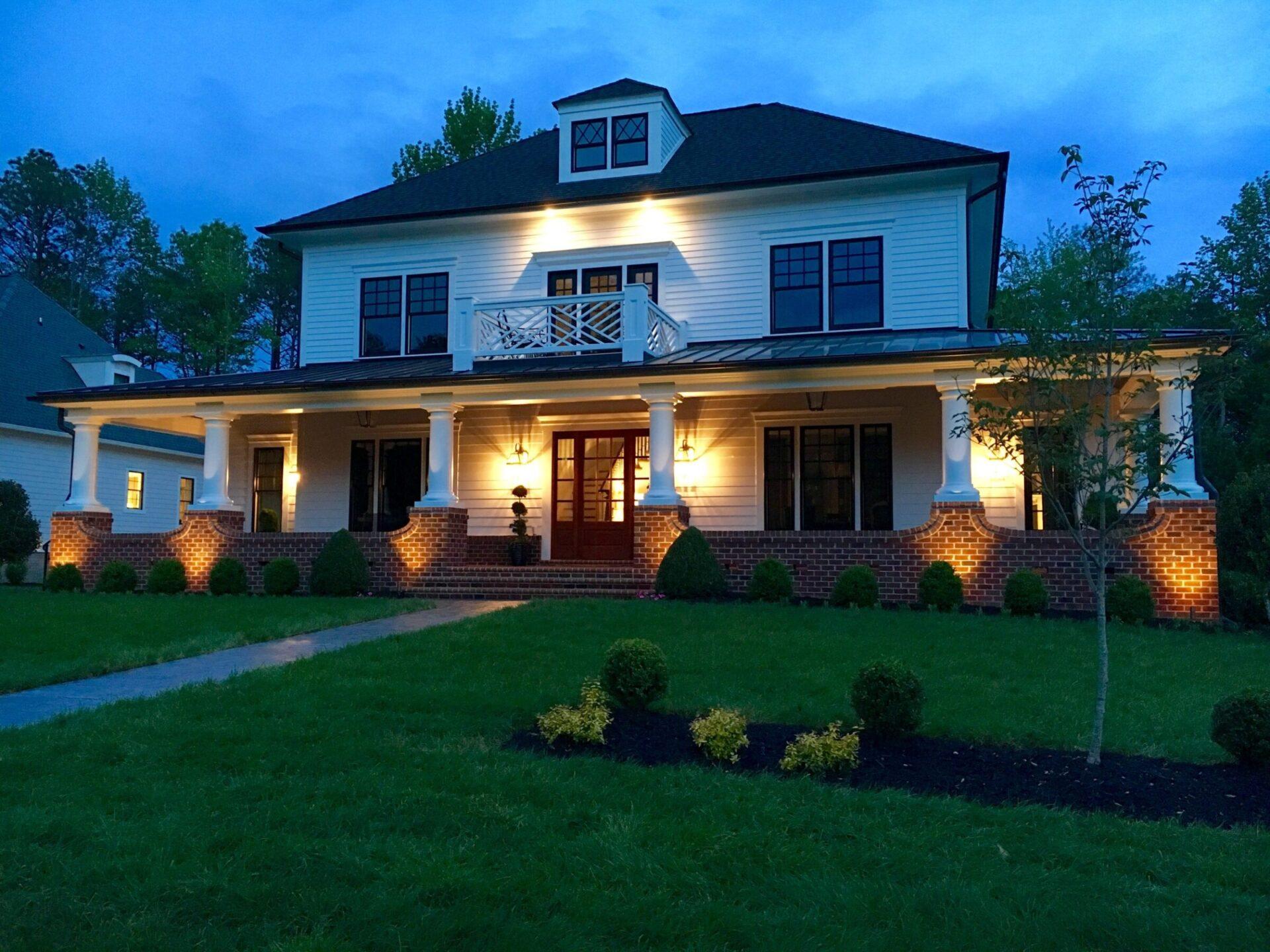
Outdoor spaces often feel unfinished once the sun goes down. Walkways become harder to navigate and features you enjoy during the day disappear at night. Many homeowners want dependable, landscape lighting but feel unsure about installation, upkeep, and reliability. When questions go unanswered, outdoor areas go unused. Clear guidance helps you feel confident and avoid common mistakes. This FAQ guide answers the questions homeowners ask most so you can understand what works and what lasts.
Can I Install Landscape Lighting Myself Or Do I Need An Electrician?
Many DIY landscape lighting kits are designed for simple layouts and low-voltage power. These kits can work well for limited areas when instructions are followed carefully. Larger properties often require planning to avoid uneven light and wiring problems.
Low-voltage systems reduce risk, but layout still matters. Understanding how lighting fits into your outdoor setup helps avoid issues later. You can learn how lighting connects with other systems by reading our guide to landscape lighting.
What Is Low-Voltage Landscape Lighting And Is It Safe?

Low-voltage landscape lighting operates at twelve volts, making it safer for outdoor environments. Wiring is buried shallowly and powered by a transformer that lowers the electrical output. This setup works well around paths and gardens.
Safety depends on proper connections and correct transformer sizing. When lighting is planned carefully, it remains dependable through changing conditions. Learn how lighting works alongside irrigation in this detailed blog on residential landscape lighting.
Do LED Outdoor Lights Really Save Energy And Do They Attract Bugs?
LED fixtures are common in landscape lighting because they use less power and provide steady brightness. Many homeowners ask if LED lights attract bugs. In most cases, LED lights attract fewer insects due to lower heat output.
When comparing LED vs halogen landscape lighting, LED options last longer and require fewer replacements. Color temperature also affects comfort.
How Do I Maintain My Landscape Lighting System Over Time?

Routine landscape lighting maintenance keeps systems dependable. Dirt, mulch, and plant growth can block fixtures or change angles. Periodic checks help catch issues early.
Seasonal inspections allow adjustments and timer testing. Viewing lighting care as part of full property upkeep supports long‑term performance.
How Long Do Outdoor Landscape Light Fixtures And Bulbs Last?
Homeowners often ask how long landscape lights last. LED bulbs typically last many years. Fixture lifespan depends on materials and exposure.
Brass and copper fixtures hold up better over time. Proper installation helps prevent early wear.
Are Solar‑Powered Landscape Lights Worth It For My Yard?
Solar lights are easy to install but offer mixed results. Shade and cloudy weather reduce output. For decorative use, they can work, but functional landscape lighting often needs wired systems.
Battery wear limits consistency. Comparing solar and low‑voltage options helps set expectations.
What Are The Best Types Of Lights To Use For Walkways, Trees, And More?
Different fixtures serve different purposes in landscape lighting. Path lights guide movement. Uplights highlight trees. Downlights create a subtle overhead light.
Using the right fixture avoids glare. Balanced lighting feels natural and easy to navigate.
Will Installing Landscape Lighting Increase My Home Value Or Curb Appeal?

Many homeowners ask whether landscape lighting increases home value. Thoughtful lighting improves curb appeal and nighttime use.
Lighting also signals property care. That attention matters to buyers and guests.
How Many Landscape Lights Do I Need For A Typical Yard?
The number of landscape lighting fixtures depends on the layout and goals. Too many lights feel harsh. Too few leave dark areas.
A balanced plan supports safety and comfort. Learn how layout planning connects with irrigation zones in a complete manual on household illumination.
Can I See How The Lighting Will Look Before I Commit To Installation?
Previewing landscape lighting helps you feel confident before final placement. Temporary setups show brightness and coverage after dark. This reduces adjustments later.
Why Are My Landscape Lights Not Turning On?
When landscape lighting stops working, common causes include timers, transformers, or loose connections. Checking power sources is a good first step.
What Does Landscape Lighting Maintenance Look Like?
Ongoing landscape lighting maintenance includes inspections, cleaning, and adjustments. Fixtures should be checked after storms.
Regular care prevents outages.
How Does Landscape Lighting Affect Wildlife?
Thoughtful landscape lighting limits impact on wildlife. Shielded fixtures and warm tones reduce disruption.
Directing light only where needed supports balance.
How Often Should You Check Your Landscape Lighting System For Issues?
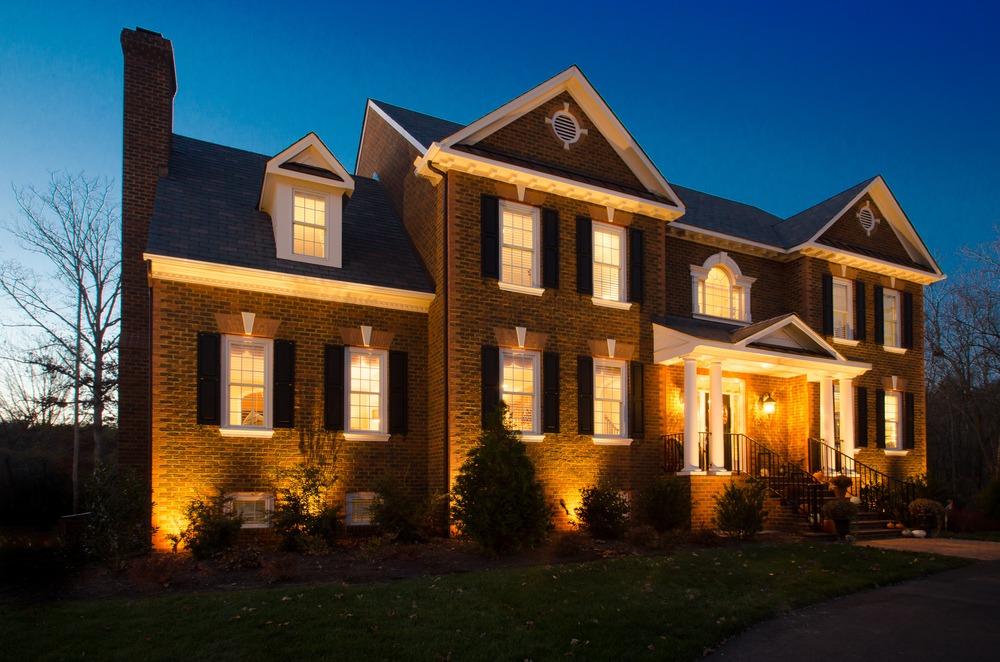
Checking landscape lighting every few months helps catch problems early, such as loose connections, minor damage, or buildup of debris. Seasonal inspections allow adjustments to fixture aiming due to plant growth and ensure timers are set correctly for changing daylight hours.
Regular attention avoids surprises like a completely dark yard or costly major repairs.
Why Do Outdoor Lights Stop Working And How Can You Troubleshoot?
Outdoor lights stop working due to common issues like corrosion on contacts or sockets, physical wiring strain from foot traffic or ground settling, or damage to the fixture itself (e.g., from lawn equipment). Checking transformers for power output and connections for tightness and cleanliness often restores landscape lighting functionality.
Knowing wiring routes and identifying where the system might be vulnerable to damage helps avoid repeat issues and speeds up future troubleshooting.
What Should You Do If Your Landscape Lights Flicker Or Lose Brightness?
Flickering often means loose connections at the bulb, socket, or wire splice, or the system is experiencing an electrical overload due to too many fixtures on one line or a failing transformer. Addressing these connection or load issues restores steady landscape lighting performance.
Loss of brightness may signal aging bulbs that need replacement, or it could indicate voltage drop across a long wire run, which may require adjustments to the transformer taps or installation of a thicker gauge wire.
How Do You Clean Outdoor Light Fixtures Without Damage?
Cleaning fixtures, especially the lenses, improves landscape lighting output by removing mineral deposits, dirt, and insect residue that can obstruct the light. Use a soft cloth or sponge and a mild soap and water solution (like dish soap) to gently wipe down the exterior surfaces.
Avoid harsh cleaners, abrasive pads, or high-pressure water, which can scratch lenses, strip protective finishes, or compromise the water-resistant seals.
What Causes Wires To Loosen Or Disconnect In Outdoor Lighting Systems?
Soil movement due to freeze-thaw cycles, rainfall, or ground settling can stress or pull apart wiring connections. Temperature changes also cause wires and connectors to expand and contract over time, leading to loosening. Proper burial at the recommended depth (or running wires in conduit) protects landscape lighting cables from environmental stress and mechanical damage.
What Should You Do When A Fixture Fills With Moisture?
Moisture inside a fixture leads to rapid corrosion, short circuits, and system outages, significantly reducing the lifespan of the bulb and socket. The internal seals or the entire fixture may need replacement to protect landscape lighting components.

When Should You Upgrade Older Outdoor Lights To Newer Technology?
Older systems may struggle with consistency. Upgrading improves reliability and control. Modern landscape lighting performs more evenly.
Is Seasonal Maintenance Important For Lighting Dependability?
Seasonal care protects landscape lighting from weather stress. Adjustments before winter and after spring growth keep fixtures aligned.
Outdoor lighting should feel dependable and purposeful. When landscape lighting is planned and maintained with care, it supports safety and comfort year‑round. If you want guidance that respects your home and your time, you can book now.
Summary
This guide explains how landscape lighting works and how it supports safe and usable outdoor spaces so you can make confident decisions for your property.
Tags: